
Last updated November 25, 2026
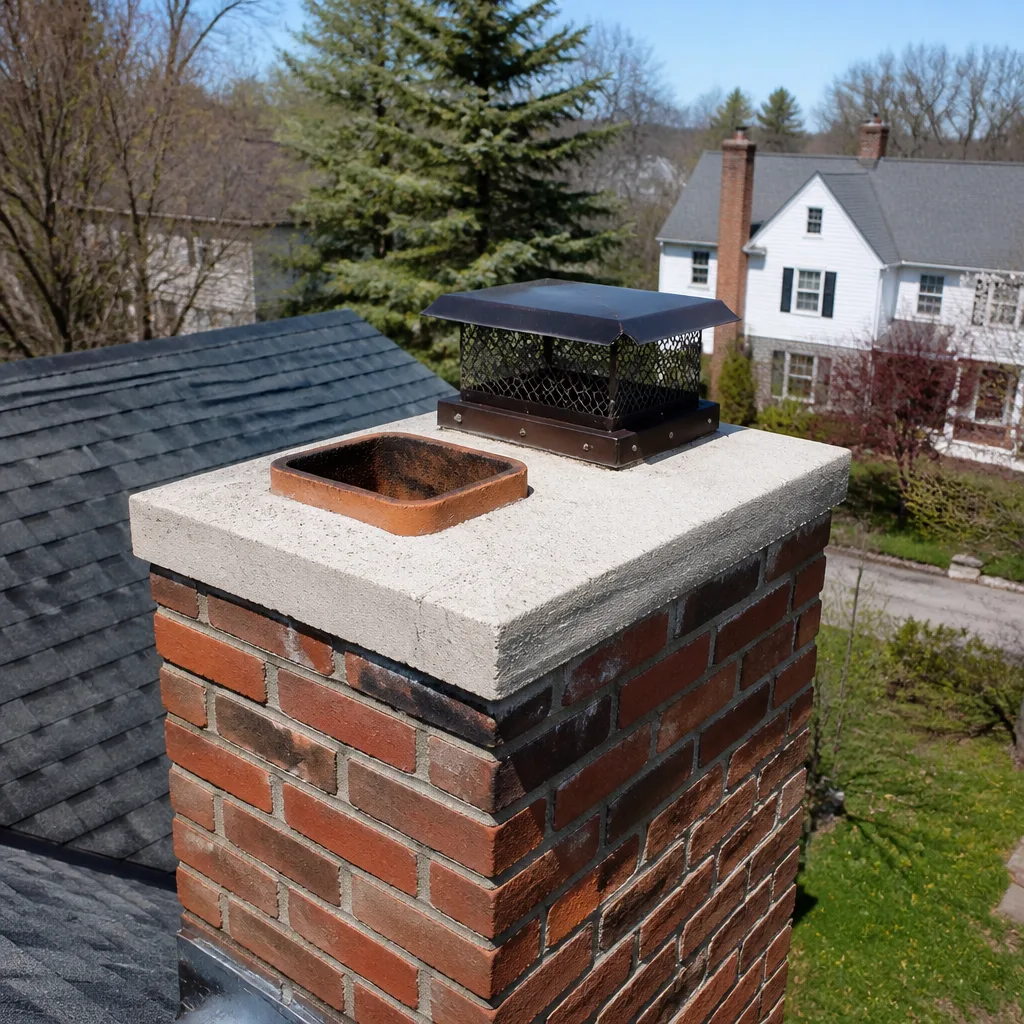 Sweep & inspection
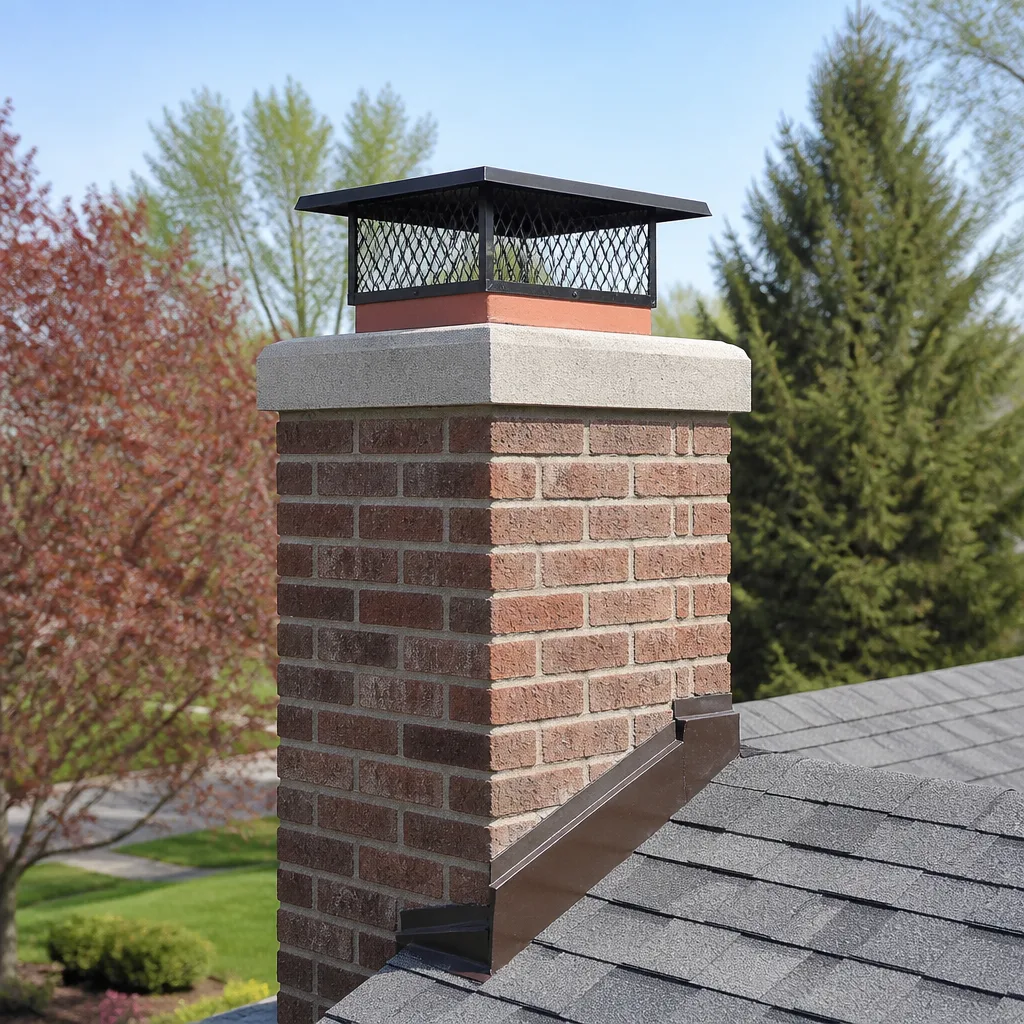 Caps & crowns
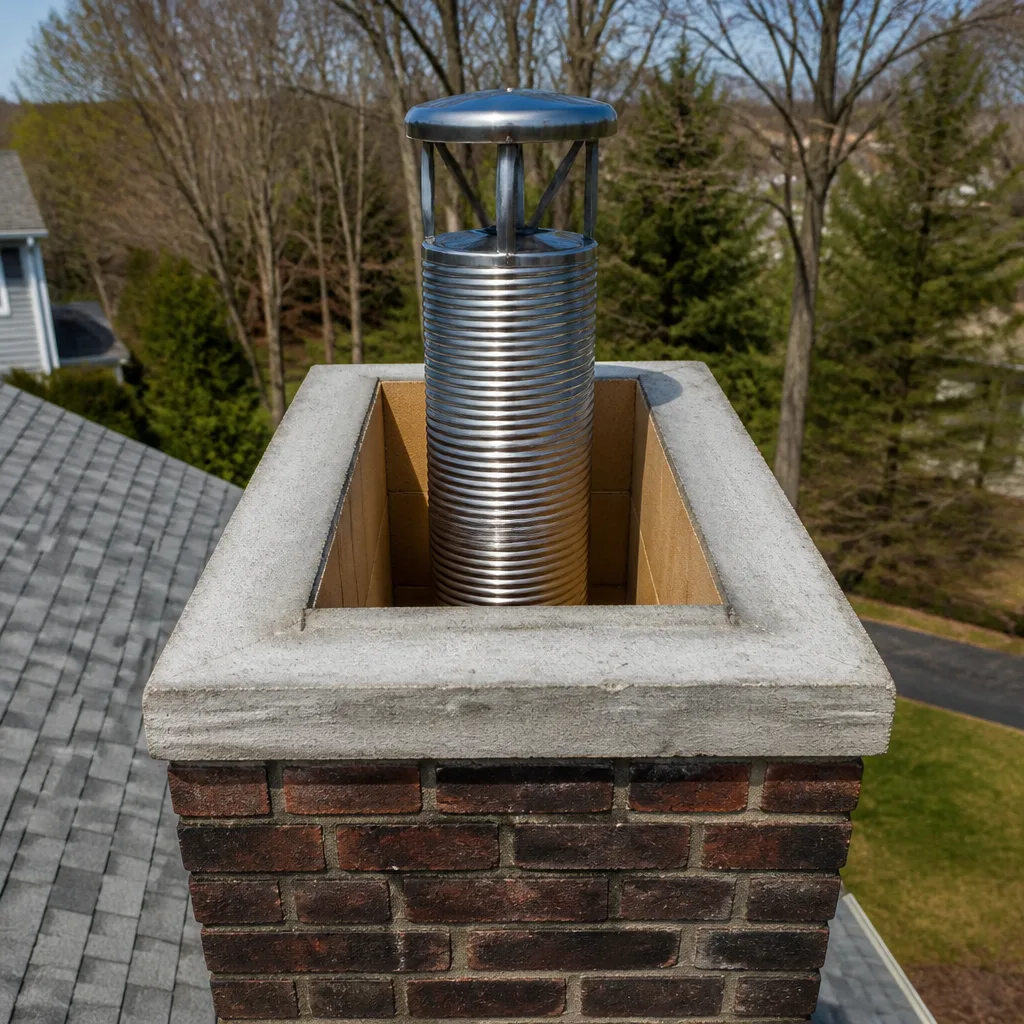 Flue relining
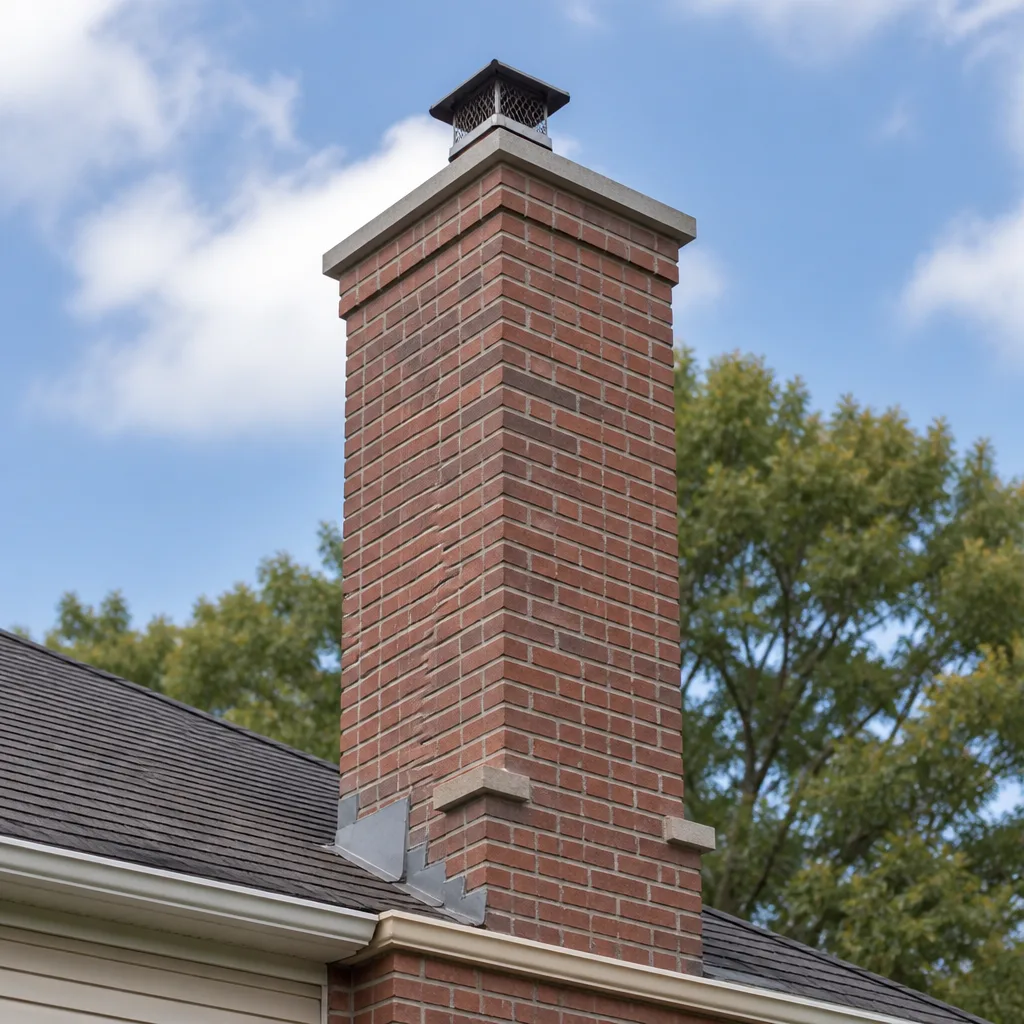 Masonry repair
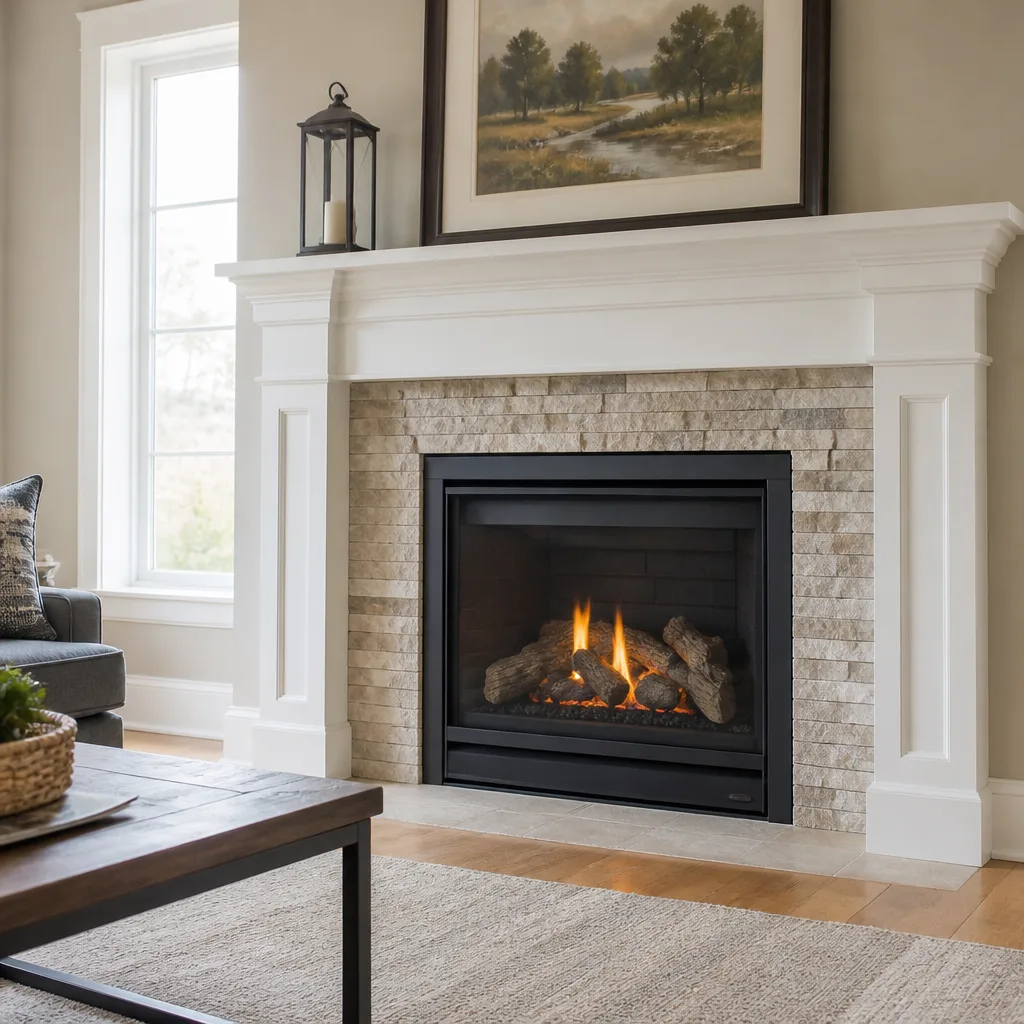 Gas fireplace service
Level 1 sweep and inspection to the NFPA 211 annual standard - flue, crown, cap, and flashing checked and photographed
Chimney sweep logs do not sweep chimneys. They loosen some creosote - which then falls where a brush and vacuum still have to collect it.
The Complete Guide to Chimney Cleaning in St. Albans
A chimney can look perfectly fine from the street and still be coated with enough glazed creosote to feed a Class III chimney fire, the kind that burns hot enough to warp a steel liner. That’s the uncomfortable truth most cleaning guides skip past. The visible exterior tells you almost nothing about the inside of your flue. Cleaning isn’t just soot removal either. A proper sweep is a diagnostic event, and when it’s done right the technician reads your chimney’s whole mechanical story while the brushes are still out. This guide covers what a real cleaning in St. Albans should reveal, why the borough’s older housing stock behaves differently from newer construction, and how to read the paperwork you’re handed when the job is done.
Quick Answer
Chimney cleaning in St. Albans is a professional sweep of the flue combined with an NFPA 211 inspection that checks liner condition, draft performance, and creosote buildup. It’s normally done once a year for wood-burning chimneys, and more often if you burn heavily, and the visit should end with documented findings you keep on file, not just a swept flue. A clean chimney that’s never been inspected is only half-verified.
Styles & brands we work with
- Sweep & inspection
- Caps & crowns
- Flue relining
- Masonry repair
- Gas fireplace service
Table of Contents
- Why St. Albans Chimneys Age Differently
- The Three Levels of NFPA 211 Inspection
- Draft Pressure and Row-House Creosote
- Brush Cleaning vs. Chemical Creosote Treatment
- What You Should Receive After Every Cleaning
- When to Schedule Your Cleaning in St. Albans
- Common Mistakes to Avoid
- When to Call a Professional
Why St. Albans Chimneys Age Differently
St. Albans was built out heavily before 1970, and that matters more than most homeowners realize. A large share of its detached houses, semi-detached homes, and row houses went up with brick chimneys lined with clay tile flue liners, and those tiles were installed to the standards of their era, not ours. Six decades of heating cycles later, the patterns of wear we find here look nothing like what turns up in a 1990s subdivision.
The most common failure in older St. Albans brick chimneys is cracked or spalled flue tile. Clay tile expands and contracts with every heating season, and hairline cracks open along the joints. Once a crack reaches through the tile, flue gases and moisture reach the brick and mortar behind it. On the exterior that shows up as crumbling mortar joints and a whitish bloom called efflorescence, which is moisture pushing salts out through the masonry. From inside, it’s a liner that’s no longer gas-tight. That’s the difference between a chimney that merely needs a chimney sweep and one that needs relining.
The other thing about this older housing stock: many chimneys were built for coal and later converted to wood, oil, or gas without a full liner upgrade. If you’ve recently bought a home in St. Albans and inherited a fireplace of unknown history, that conversion is the first thing to confirm.
What the brick construction actually means for cleaning
- Clay tile liners crack at the joints over decades of thermal cycling.
- Solid brick chimneys hold moisture, so efflorescence and spalling mortar are early warning signs.
- Older chimneys may have gaps at the mortar crown, letting water in at the top.
- Unlined or partially lined flues from earlier conversions need a proper assessment before you burn again.
None of this means an old St. Albans chimney is a lost cause. It means the cleaning visit is your best chance to catch the mechanical problems while they’re still small.
The Three Levels of NFPA 211 Inspection
NFPA 211 sets the industry standard for chimney inspection, and it breaks inspection into three levels. Not every visit calls for the same depth. A routine annual sweep is usually a Level 1. But certain trigger events push you to Level 2 or Level 3, and those events matter a lot in older homes.
- Level 1: A visual check of the accessible portions of the chimney and flue without special tools. Readily accessible means what you can see without opening walls, removing components, or getting up close with a camera. This is the standard annual inspection that accompanies a routine cleaning. It confirms your flue is clear, checks for obvious damage, and looks at the appliance connection.
- Level 2: Everything in Level 1, plus inspection of accessible areas that are reachable only with special tools, including a camera run up the flue. Level 2 is triggered by a change in the system: a new appliance, a switch in fuel type, a chimney that’s been through a chimney fire or a significant earthquake, or a property transfer. If you’ve just bought a St. Albans home, you want a Level 2. So do you if you’re switching from oil to wood, or installing a new insert.
- Level 3: Everything in Levels 1 and 2, plus the removal of parts of the building to access concealed areas when a serious hazard is suspected. This is rare, but it’s the honest answer when a camera inspection shows a defect hidden behind masonry.
Here’s the point most guides leave out: the level isn’t chosen by how dirty your chimney is. It’s chosen by your chimney’s history. A spotless flue in a home you just closed on still needs Level 2. A well-used flue you’ve owned for a decade with no changes can stay at Level 1.
Which inspection follows which trigger
- Routine annual cleaning, no changes: Level 1.
- New home purchase or property transfer: Level 2.
- New stove, insert, or fuel switch: Level 2.
- After a chimney fire or suspected one: Level 2.
- Suspected hidden structural defect behind the masonry: Level 3.
Draft Pressure and Row-House Creosote in St. Albans
Draft is the force that pulls smoke up and out of your chimney, and it depends on a few things: flue height, flue size relative to the appliance, and how freely air can enter the room. In St. Albans, where a lot of housing is built tightly together in row-house and semi-detached configurations, those factors stack up in ways that surprise people.
Two homes that share a chimney stack can interfere with each other’s draft. When one flue is warmer than the other, the colder one can lose its upward pull or even reverse. In a tight, well-sealed house on a still winter day, the fire can struggle to draw because the house itself is starved for replacement air. A flue that drafts poorly burns cooler, and cooler smoke deposits creosote faster. So a St. Albans row-house flue can accumulate glazed creosote much quicker than the same appliance in a freestanding home with more air movement.
That’s why draft performance belongs in the cleaning conversation, not in a separate service. When a technician checks draft during the sweep, they can tell you whether the accumulation you’re seeing is normal for how you burn or a symptom of a flue that’s underperforming. Fixing poor draft is often the difference between a flue you clean yearly and one you’re back to six months later.
Signs your St. Albans chimney has a draft problem
- Smoke spilling into the room when you first light the fire.
- A fire that’s sluggish or smolders instead of burning cleanly.
- The smell of smoke lingering in the house after the fire is out.
- Heavy glazed creosote despite moderate use.
- Strong draft reversal on cold, still days.
Draft isn’t fixable by brushing alone. If a sweep turns up these signs alongside a coated flue, the right next step is diagnosing the cause before you relight.
Brush Cleaning vs. Chemical Creosote Treatment
Not all creosote comes off the same way, and this is where a lot of generic advice goes wrong. Creosote shows up in three recognized forms, and each responds to different treatment. A technician who only has a brush will either tell you your flue is clean when it isn’t, or cause real damage trying to scrape off what won’t scrape.
- Stage 1 creosote is sooty, flaky, and light. It brushes off easily with standard chimney brushes. This is what a well-maintained flue looks like and what routine cleaning is designed to remove.
- Stage 2 creosote is hardened and crusty, often with a tar-like texture. Standard brushing removes some of it but struggles with the rest. It’s a sign that draft has been poor or the fire has been burning cool. Rotary brushes or a chemical treatment may be needed.
- Stage 3 creosote is glazed, shiny, and hard as rock. It bonds to the liner surface and won’t budge under a brush. It’s also the form that fuels the hottest chimney fires. Stage 3 calls for a chemical creosote treatment that softens the glaze so it can be safely removed, or, in severe cases, relining.
The chemical treatment approach works by being applied to the glazed creosote, allowed time to break down its molecular bond with the liner, and then swept out. It takes longer than a routine brush cleaning and sometimes more than one visit. But it preserves the liner where a forced brush cleaning would gouge it. When a flue has compromised clay tiles or a liner that’s already damaged, and we recommend relining, we name the materials involved. HeatShield and DuraFlex liner systems are the ones we install, and those are purpose-built for long-term flue protection, not improvised patches. If your sweep recommends relining, ask what specific product is going in and why. You’re entitled to an answer.
How to tell which treatment your flue needs
- Flaky, sooty residue: standard brush cleaning.
- Hard, crusty buildup with some tar texture: rotary brush or chemical softening.
- Shiny, glassy, rock-hard glaze: chemical creosote treatment or relining.
- Cracked tile liner beneath any of the above: address the liner before the creosote.
What You Should Receive After Every Cleaning
This is the part homeowners rarely know to ask for, and it separates a professional visit from a quick brush-and-go. A cleaning that doesn’t document findings leaves you with no baseline for next year. The technician’s records are your maintenance history, your proof of due diligence if you sell, and your evidence that any recommended repair is actually needed.
At minimum, a proper cleaning visit should produce written documentation of the following. If you’re hiring anyone in St. Albans, ask upfront what they’ll hand you.
- The inspection level performed (Level 1, 2, or 3) and why that level was chosen.
- Creosote stage observed (1, 2, or 3) and how much was found.
- Condition of the flue liner, including any cracks, gaps, or spalling noted.
- Draft measurement and appliance connection check, so you know how the fire is actually drawing.
- Cap and crown condition, since water intrusion at the top is a leading cause of downstream damage.
- Photographs from the camera inspection, so you can see what the technician saw rather than take it on faith.
- Findings that can safely wait versus items that need attention before the next burn season.
That last point matters. A good inspection tells you plainly when something can wait. Not every worn crown or minor crack is an emergency, and you deserve to know the difference. Anything that’s actually a safety concern should be shown to you on camera, not just described in a way you can’t verify.
Our technicians have up to 11 years of experience and document each visit this way precisely because a homeowner’s trust rests on being able to see the evidence. If a technician can’t produce photos, records, or a clear reason for a repair recommendation, that’s your cue to get a second opinion before committing to the work.
When to Schedule Your Cleaning in St. Albans
The short answer: schedule your Chimney Sweep St. Albans cleaning before the heating season begins, ideally in late summer or early fall. But that’s a rule of thumb, and how often you actually need your chimney swept depends on how you burn. The National Fire Protection Association and the Chimney Safety Institute of America both frame the standard around annual inspection and cleaning as needed, which means the calendar alone isn’t enough.
Here’s how to translate “as needed” into a schedule for your home:
- Regular wood burners: once a year at minimum, and more often if creosote accumulates quickly. If you’re burning seasoned hardwood and have good draft, yearly is often enough. If your fires are sluggish, you may need cleaning twice.
- Casual wood burners (a few fires a month): annual sweep plus inspection still makes sense, because buildup is slow but real, and the inspection catches damage regardless of soot volume.
- Gas and oil appliances: still need annual inspection, since these fuels can produce different deposits and the flue itself can degrade even if there’s little visible soot.
- New-to-you homes: schedule a Level 2 inspection before using the fireplace at all. You don’t know the history.
- Anyone who’s been told by an inspector or home seller that repairs are needed: get it assessed before the next burn, not after.
The seasonal logic matters in St. Albans specifically. Fall is when most people discover their damper won’t close, their draft is weak, or their flue smells of smoke. Booking before that first cold snap means finding out about problems while there’s still time to fix them without a scramble.
The right time to call, framed simply
- Book your sweep in late summer or early fall, before heavy use resumes.
- Get a Level 2 inspection before your first fire in a new home.
- Schedule immediately if you’ve had a chimney fire, even a small one.
- Don’t wait if smoke is backing up into the room or the flue smells smoky all year.
Common Mistakes to Avoid
These come up often, and a few are specific to a borough with St. Albans’ dense older housing stock.
- Treating a sweep as a once-and-done task. Cleaning removes what’s there; it doesn’t tell you what condition your liner is in. Skip the inspection and you’ve only solved half the problem.
- Burning unseasoned or green wood to save money. Wet wood produces more creosote and burns cooler, which is a fast route to Stage 2 and Stage 3 buildup in a St. Albans flue with limited draft.
- Assuming a brick chimney is fine because it looks fine outside. Efflorescence, spalling mortar, or a cracked crown are external signs of internal moisture problems. Have the inside inspected before you trust it.
- Skipping a Level 2 inspection after buying an older home. A home in St. Albans that’s changed hands without a chimney inspection is a home with an unknown flue history. The fireplace may have been converted from coal to wood or gas without a liner upgrade.
- Ignoring a weak draft because the fire still burns. A struggling draft is a warning, not a personality trait. It accelerates creosote and makes chimney fires more likely.
- Believing a brush-only cleaning is enough for any buildup. If a technician doesn’t check the stage of creosote before brushing, ask. Stage 3 glaze won’t come off with a brush, and forcing it can damage the liner.
- Not asking what materials are going into the flue. If a repair or relining is recommended, you should be told the specific product and why it’s appropriate. An answer like “a liner” isn’t enough.
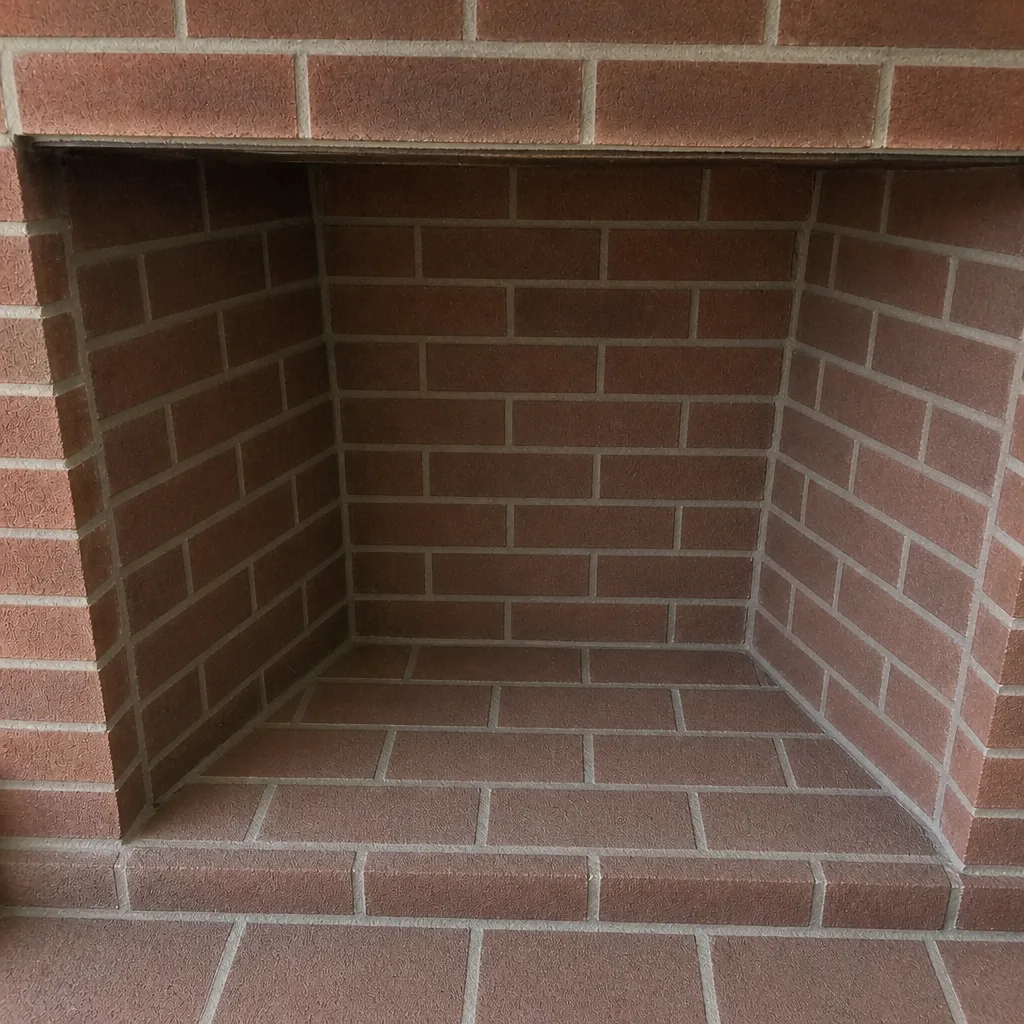
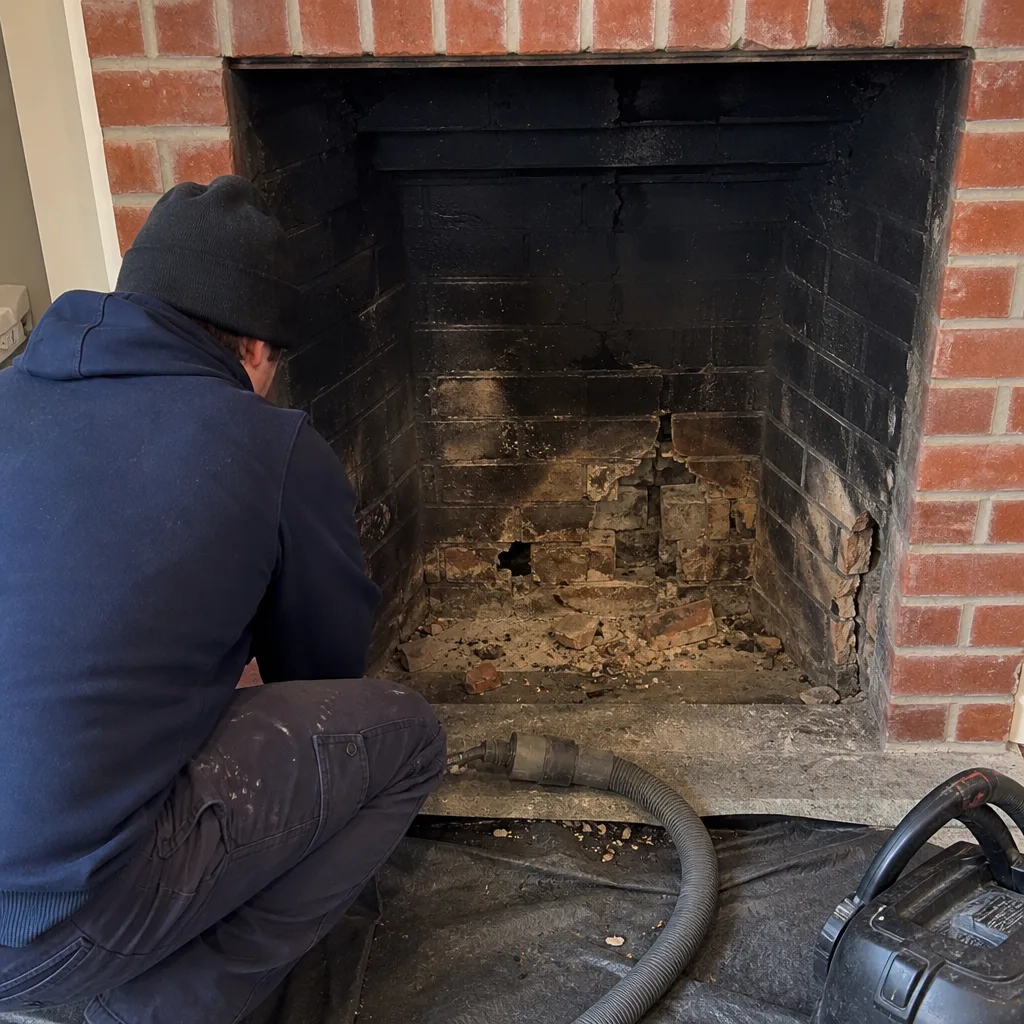
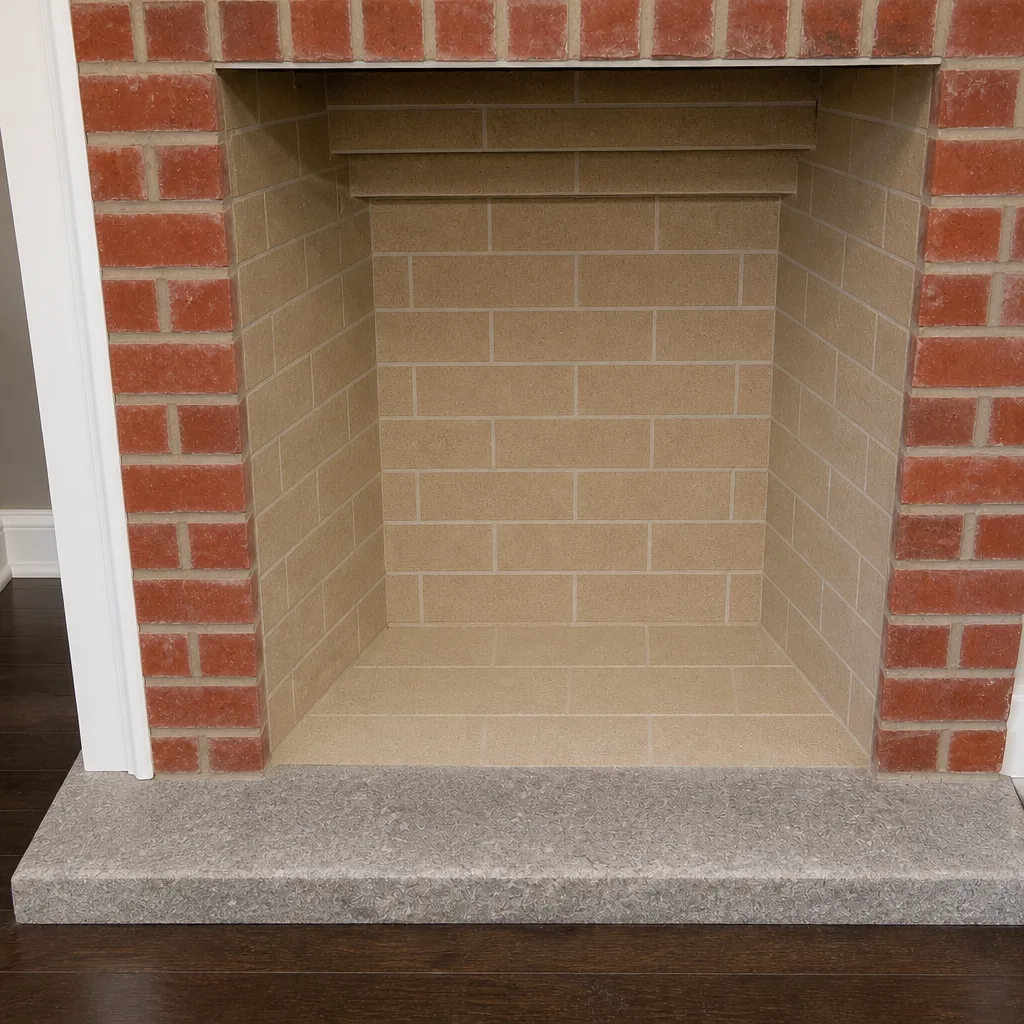
See the difference
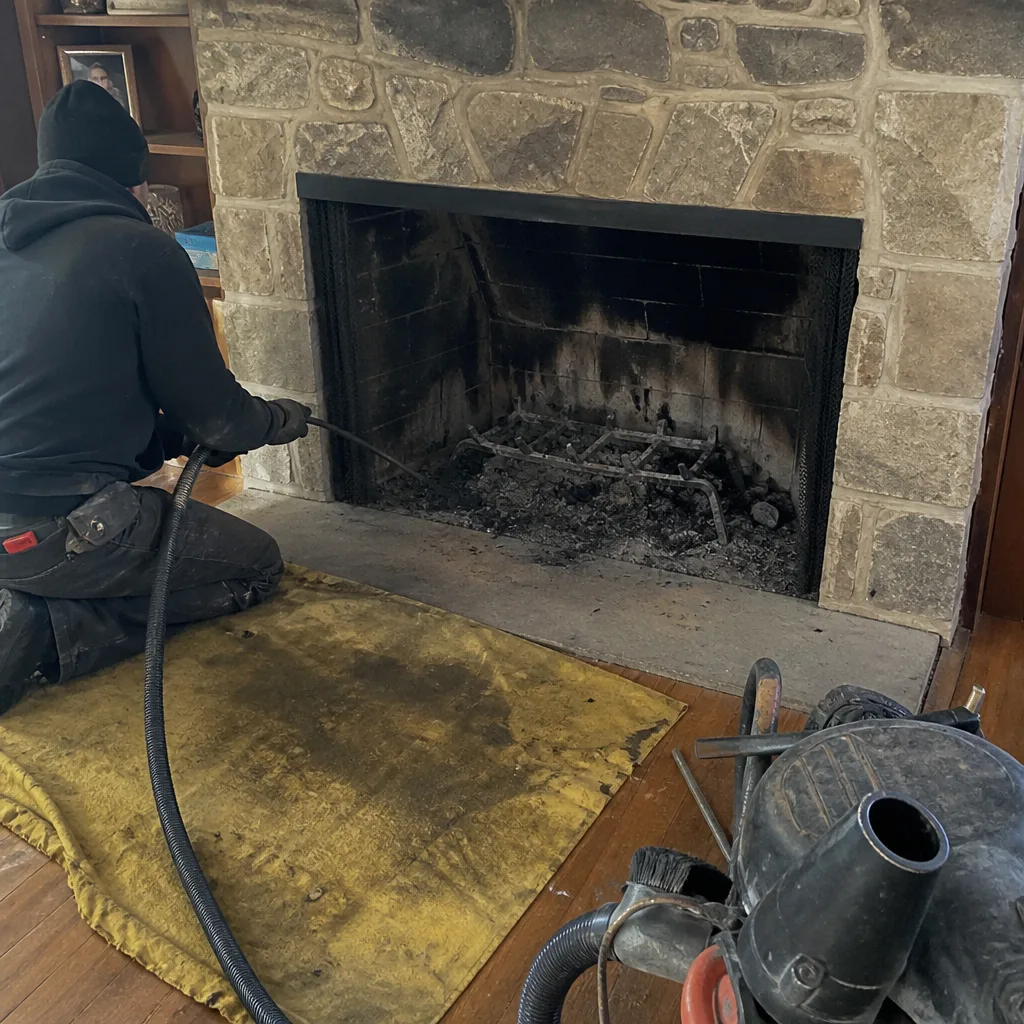 Before
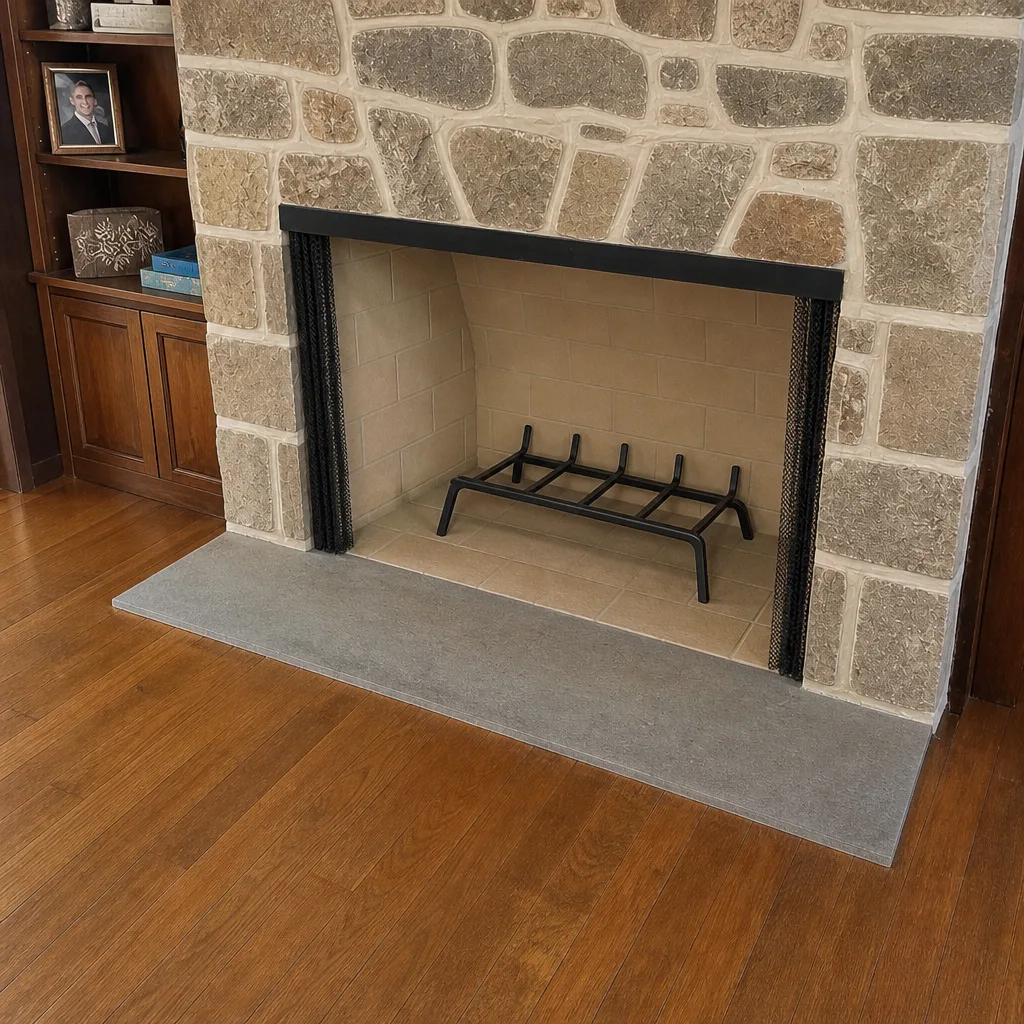 After
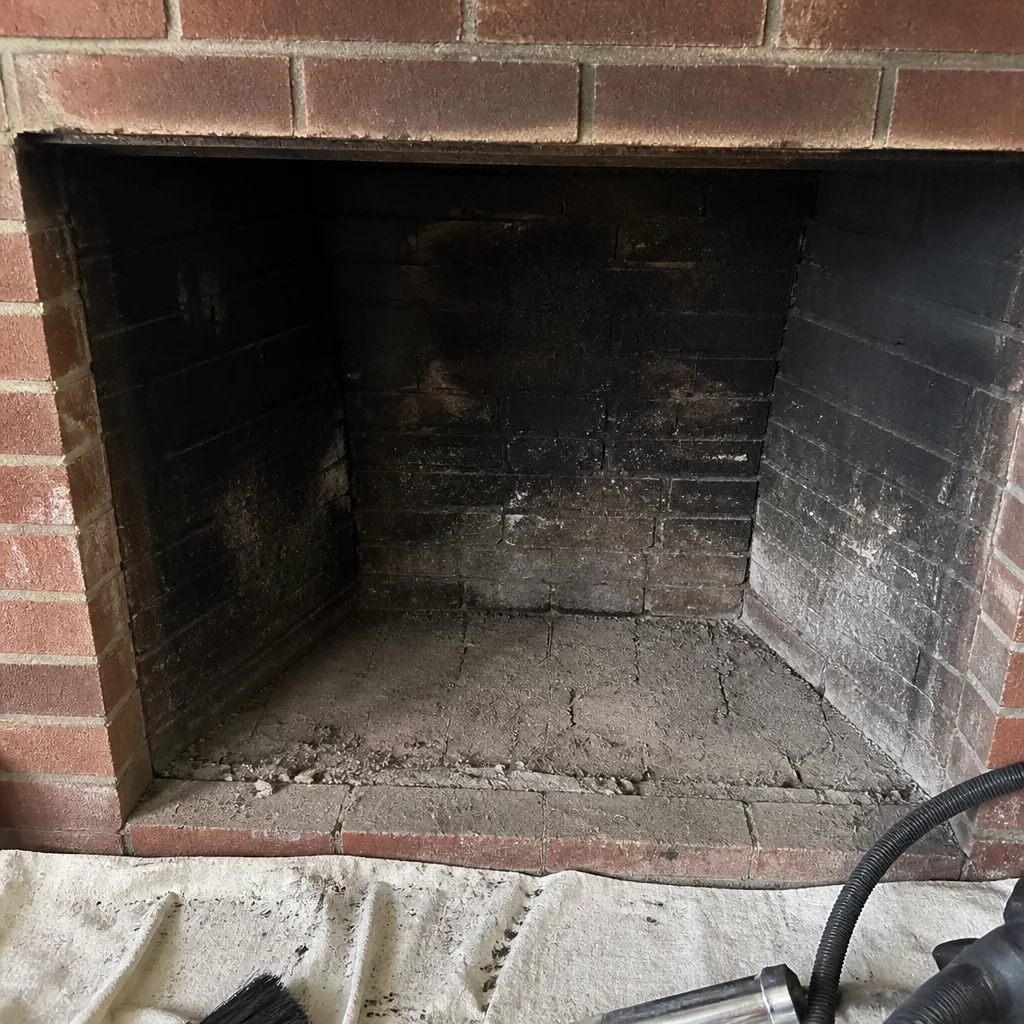 Before
 After
 Before
 After
When to Call a Professional
Some jobs are genuinely DIY-friendly. A capped flue cleaning is not one of them. Call a professional if you’ve had any kind of chimney fire, even one you think was put out quickly, because the heat can warp a liner without leaving obvious outward signs. Call if smoke is spilling into the room, if the flue smells of creosote through the warmer months, or if you’ve recently moved into a St. Albans home and don’t know when the chimney was last swept. For structural work, including chimney repair and cap and crown work, the same specialist crew that inspected can carry out the fix, which keeps the findings and the repair connected.
The American Lung Association and the CDC both point to proper chimney maintenance as important to indoor air quality, since carbon monoxide from a blocked or damaged flue has no smell and gives no warning. That’s why a real inspection matters more than a quick clean.
Chimney Sweep St. Albans offers free estimates in St. Albans. Call (833) 468-5934. We answer 24/7. Fast dispatch from 7am to 7pm, Sunday through Friday. No referral to a second contractor, no gap between the inspection and the fix.
Frequently Asked Questions
Once a year is the standard for most homes, with cleaning more often if you burn heavily or notice creosote building up quickly. Annual inspection matters even more than the cleaning itself, because it catches liner and draft problems before they become expensive. Call (833) 468-5934 for an exact quote – estimates are free.
Yes. A Level 2 inspection is the standard for a property transfer because you don’t know the chimney’s history, and in St. Albans’ older housing, a chimney may have been converted from coal or another fuel without a liner upgrade. The camera inspection is what reveals that. Call (833) 468-5934 to schedule one before your first fire.
Yes. A flue can look clean from the top and still have cracked clay tiles or gaps that let flue gases into the masonry. That’s why the camera inspection and the documented photos matter. If a reline is recommended, ask for the evidence and the specific product. Call (833) 468-5934 for a free estimate.
Brush cleaning removes sooty Stage 1 creosote. Chemical treatment softens glazed Stage 3 creosote so it can be safely removed without gouging the liner. A technician should assess which stage your flue has before choosing a method. Call (833) 468-5934 to book an assessment.
Shared chimney stacks, tight house construction, and marginal draft reduce the airflow a fire needs to burn cleanly. Poor draft means cooler smoke, which deposits creosote faster. It’s not just about how much you burn, it’s about how well your flue draws. Call (833) 468-5934 to have draft checked.
Creosote keeps accumulating each burn season, and as it thickens it moves from sooty Stage 1 to crusty Stage 2 to glazed Stage 3, which is the fuel that drives the most dangerous chimney fires. A damaged liner also lets carbon monoxide leak into the home without warning. Call (833) 468-5934 for an inspection – estimates are free.
Related Guides
- chimney cap & crown installation and repair, for stopping water intrusion at the top before it damages the flue.
- chimney repair, for structural fixes from cracked crowns to damaged masonry.
The Bottom Line
Chimney cleaning in St. Albans is less about soot removal and more about reading your chimney’s full mechanical story while the brushes are out. The flue’s liner condition, its draft performance, and the stage of creosote it carries all determine what your next step should be, and none of that is visible from the outside. Get an annual cleaning that includes a documented inspection with photos, understand which NFPA 211 level applies to your situation, and insist on knowing exactly what materials go into your flue. If you’re told repairs are needed, ask to see the evidence. That’s the standard every St. Albans homeowner deserves.
Written by the team at Chimney Sweep St. Albans.