
Last updated November 25, 2026
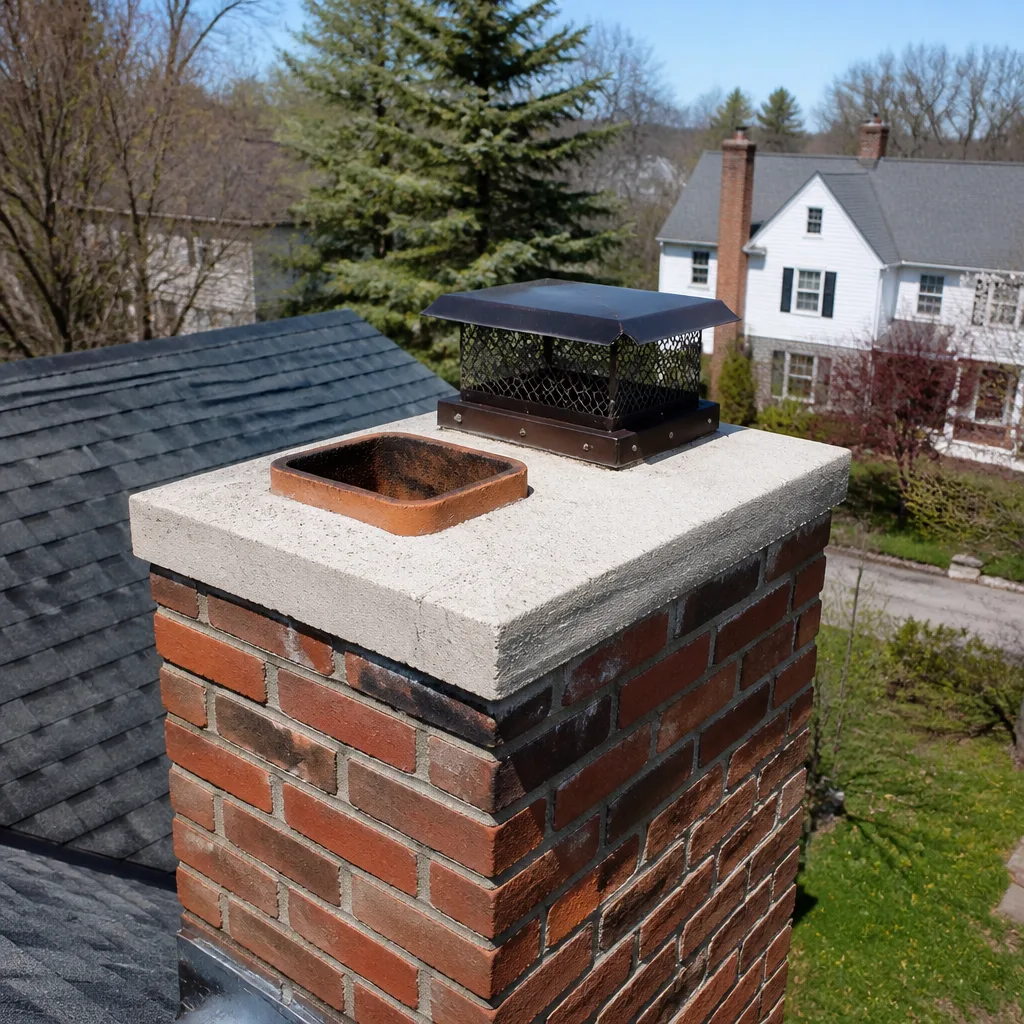 Sweep & inspection
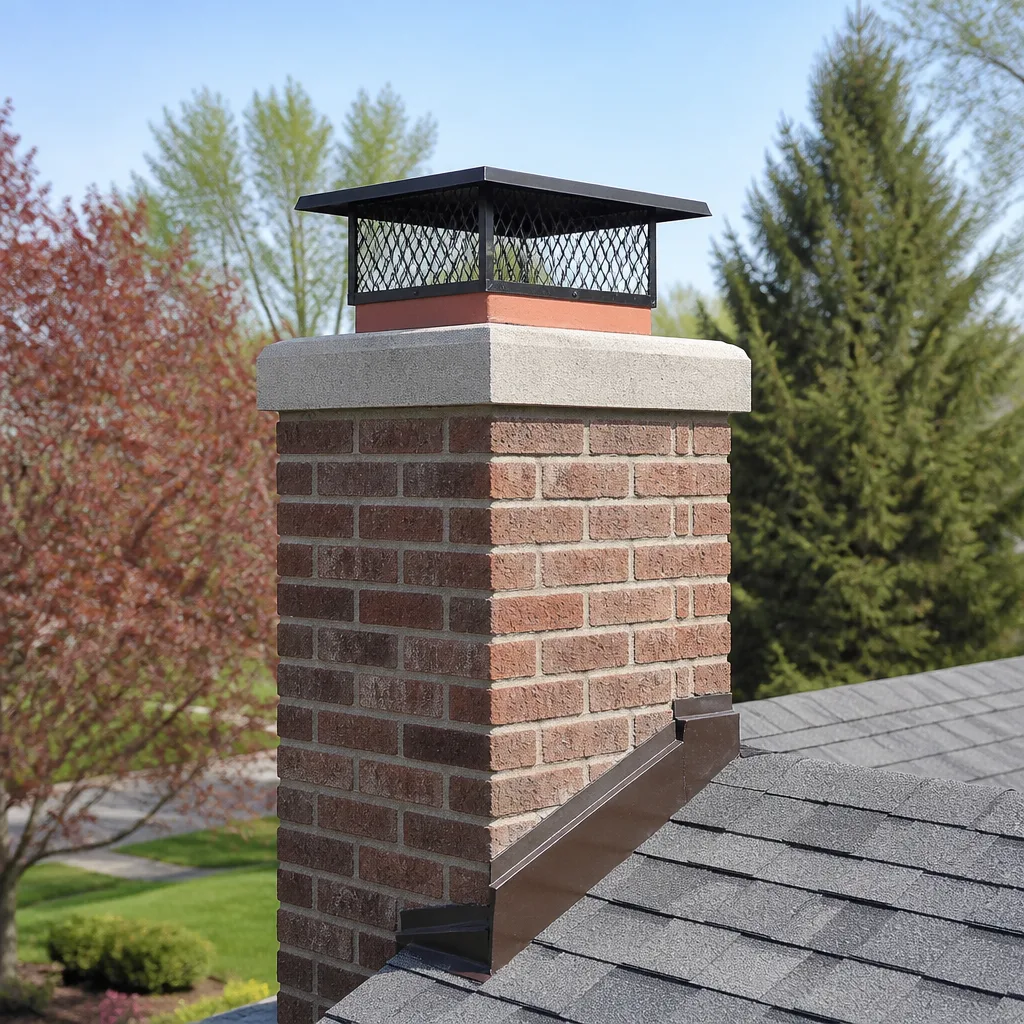 Caps & crowns
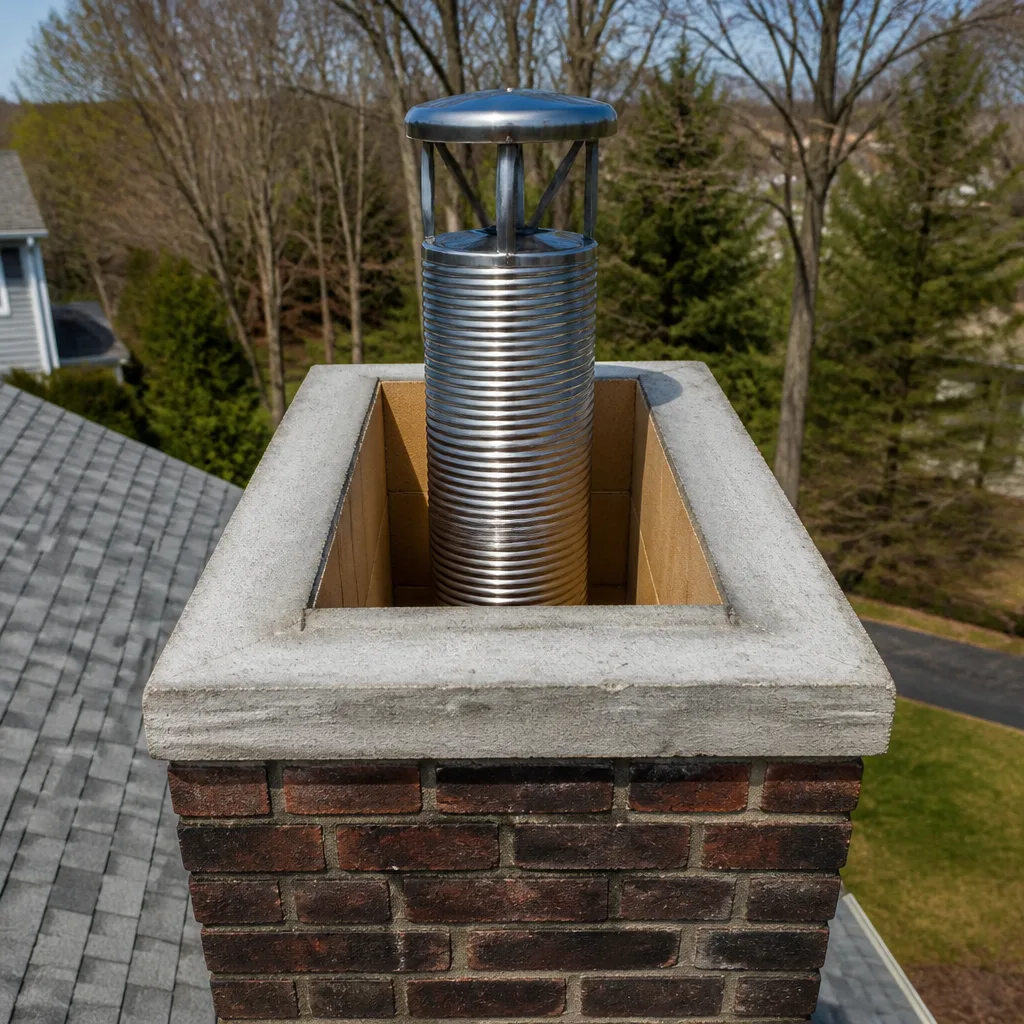 Flue relining
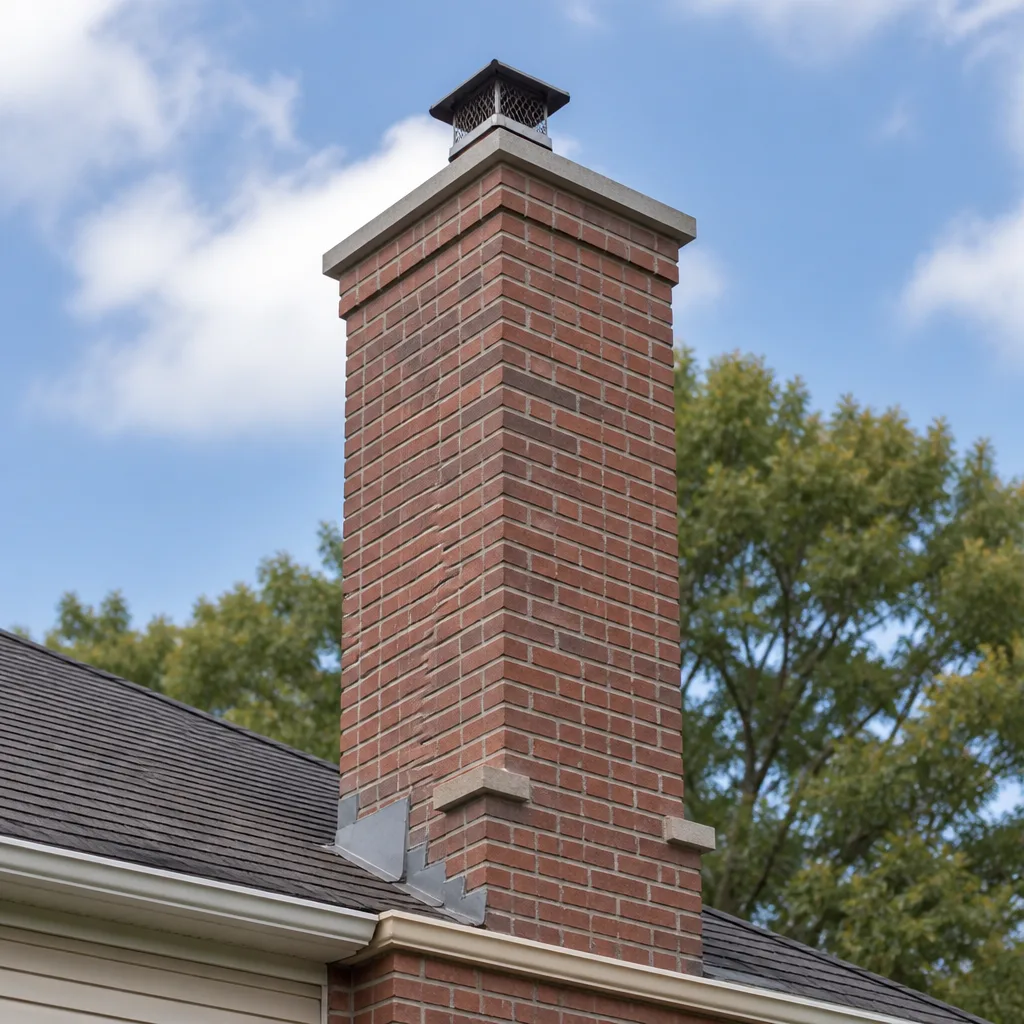 Masonry repair
 Gas fireplace service
Level 1 sweep and inspection to the NFPA 211 annual standard - flue, crown, cap, and flashing checked and photographed
Chimney sweep logs do not sweep chimneys. They loosen some creosote - which then falls where a brush and vacuum still have to collect it.
How to Hire a Chimney Cleaning Contractor in St. Albans: A Step-by-Step Guide
New York State does not require a chimney sweep to hold a state license, which means the barrier to entry for this trade is lower than it is for a cosmetologist. That single fact reframes the whole hiring decision. You can’t hand the job to a government registry and walk away; the vetting is on you. In a borough where plenty of older homes in St. Albans still run wood or oil, and where a lot of buyers are inheriting fireplaces nobody has touched in years, the difference between a careful sweep and a careless one shows up in your flue, not on a piece of paper. This guide walks you through exactly what to check, what to ask, and what to demand in writing, so you can filter out unqualified operators before anyone gets near your roof.
Quick Answer
To hire a chimney cleaning contractor in St. Albans, require CSIA certification, ask for certificates of general liability and workers’ compensation insurance before anyone climbs on your roof, and confirm the contractor is a chimney specialist rather than a generalist. Get a written scope and price, and read the post-service report carefully before you pay.
Styles & brands we work with
- Sweep & inspection
- Caps & crowns
- Flue relining
- Masonry repair
- Gas fireplace service
Table of Contents
- Why vetting a chimney sweep in St. Albans matters more than most trades
- What CSIA certification actually verifies
- The exact insurance documents to request
- Red flags in quotes and pricing
- How to tell a specialist from a generalist
- How to read a post-service inspection report
- The step-by-step hiring process
- How often to schedule and when work can wait
Why vetting a chimney sweep in St. Albans matters more than most trades
Most tradespeople you hire are regulated in ways homeowners rarely stop to think about. Electricians and plumbers work under a licensing framework that gives you a baseline to check. Chimney sweeping in New York sits outside that framework, so the credential has to come from the trade itself rather than the state. That gap is the reason this guide exists.
The practical consequence is that two people advertising “chimney cleaning” in St. Albans can be operating at completely different standards, and their ads may look identical. One may carry certification, insurance, and a real inspection process behind a sweep. The other may own a brush set and a vacuum. Nothing on the surface tells you which is which until you ask the right questions.
There’s a second layer of local context. St. Albans has a lot of older housing stock, and older chimneys have often been through several owners, a heating fuel change or two, and possibly decades of irregular use. A proper sweep is also an inspection, and an inspection is where you find out whether the flue is compromised, the crown is cracked, or the liner was never appropriate for what’s burning in the fireplace. Those are jobs a generalist is likely to miss. This is why we ask homeowners to look past the word “cleaning” and understand that a real sweep involves diagnosis as well.
So the vetting you do before booking a chimney sweep in St. Albans is not a formality. It’s the difference between a fireplace you can use with confidence and a flue you don’t have current information about. The good news is that the filtering takes maybe ten minutes of phone calls if you know what to ask. The sections below give you the script.
What CSIA certification actually verifies
CSIA stands for the Chimney Safety Institute of America, and it’s the credential most worth requiring from a chimney contractor in St. Albans. What it verifies: that the individual has passed a written exam covering the fundamentals of chimney and venting systems, that they’ve met the organization’s background check and code of ethics requirements, and that they keep the certification current. What it does not verify: the quality of every job they do, the condition of your specific chimney, or whether the company they work for carries proper insurance.
That distinction matters, because homeowners sometimes treat “CSIA certified” as a full seal of approval and skip the rest of the checklist. Don’t. Certification tells you the person understands how chimneys work. Insurance tells you who pays if something goes wrong on your roof. Both are necessary, and neither replaces the other.
The reason we still recommend requiring CSIA certification despite its limits is simple. It’s a credential with a real exam and a real code of conduct attached, verified through a body that isn’t the contractor’s own marketing department. In a trade with no state license, that’s the most reliable independent signal available to you. When you call a chimney contractor in St. Albans, ask a direct question: “Is the technician who will be at my house CSIA certified?” A specialist can answer that clearly. A generalist often can’t.
One more point on how to treat the answer. If the person on the phone is vague, deflects, or tells you certification “isn’t really needed,” that’s information. It doesn’t automatically mean they’re unqualified, but it does mean you have no independent basis for believing they are. In a trade with this little external oversight, you want the contractors who welcome the question.
The exact insurance documents to request
Before anyone gets on your roof, ask for two documents: a certificate of general liability insurance and a certificate of workers’ compensation coverage. Request them in writing, ideally by email, and read the certificates rather than just filing them.
General liability covers damage to your property. If a technician knocks a cap loose, cracks your crown, or damages a gutter, that coverage is what stands between you and paying for it yourself. Look at the coverage limits on the certificate. A reasonable general liability policy for a chimney contractor runs into the six-figure range for a single occurrence, and a serious roofer-damage claim can push past smaller limits. If the certificate shows limits in the low tens of thousands, that’s thin for this kind of work. Ask about it.
Workers’ compensation is the one homeowners skip and shouldn’t. If a technician is injured on your property and their employer doesn’t carry workers’ comp, the bill for that injury can come back to you as the property owner. Here’s what to look for on the certificate:
- Your contractor’s legal business name appears on the certificate, matching the name on the contract.
- The policy is currently in force, not expired or lapsed.
- Workers’ compensation coverage is present for all employees who might be on site.
- The certificate was issued by the insurer or agent, not typed up by the contractor.
Two more details worth requesting. Ask whether the contractor uses subcontractors, and if so, whether those subcontractors carry their own general liability and workers’ comp coverage. And check whether the policy covers chimney work specifically, since a general “handyman” policy sometimes excludes roofing-height work. A contractor who expects these questions, and answers them without hesitation, is showing you something about how they run a business. We name the coverage we require because we’d want the same certainty if someone were working on our own roof in St. Albans.
Red flags in quotes and pricing
A price significantly below the local market for chimney work usually signals scope omissions, not efficiency. That’s the single most useful thing to understand when comparing quotes. A chimney sweep quote covers a defined set of tasks: sweeping the flue, checking the firebox and damper, inspecting the crown and cap, and providing a report. When a quoted price is dramatically lower than others, something is usually missing from that list.
That missing piece is often the inspection report. Sweeping without documenting the condition of the flue is only half the job, and a contractor who skips the report can quote a low number because they’re doing less. Or the low price is a “foot in the door” figure, with the real cost revealed once the crew is on the roof and “finds” a problem. Either way, a quote that looks too good deserves scrutiny, not celebration.
Here are the red flags to watch for as you collect quotes in St. Albans:
- A price quoted over the phone, sight unseen. Chimney condition varies enormously from house to house. A legitimate contractor gives a firm number after a look, not before.
- No written scope. If a quote doesn’t say what will be swept, what will be inspected, and what will be reported, it isn’t a quote.
- Pressure on the day of the visit. Repairs that “have to be done right now” are a sign of a sales-driven operation, not a diagnostic one.
- No mention of a report. A sweep that doesn’t end in documentation leaves you with no record.
- Fees that appear later. Ask up front whether there’s any charge for the visit itself, and get the answer in writing.
- Vague materials. If you’re told you need a liner, ask what kind. A specialist names the system, such as a DuraFlex flexible liner or HeatShield relining, because that’s what they work with.
Remember that the written estimate sets the final price. That’s the standard we hold to, and it’s the standard you should expect from anyone you hire in St. Albans.
How to tell a specialist from a generalist
Ask a simple question on the phone: “What percentage of your work is chimney and fireplace related?” A dedicated chimney specialist does only chimney work, so the answer is essentially all of it. A generalist who added sweeping to an existing business will give a lower figure, or fumble the question. Both answers tell you something useful.
Why does the distinction matter so much in St. Albans? Chimneys fail in specific ways, and understanding those failures requires living with them. A crown that cracks in a particular pattern, a clay flue tile that’s spalling, a liner that’s the wrong material for the appliance, these are things a specialist reads quickly and a generalist misses. We do only chimney and fireplace work at Chimney Sweep St. Albans, and it’s because the trade rewards that focus. The same crew that inspects your flue relines it, and there’s no handing you off to a second contractor when the diagnosis turns up something.
Here are questions that separate the specialists from the rest:
- “What brands of liner material do you install?” A specialist names DuraFlex, HeatShield, or others in the trade’s recognized lineup. A generalist likely can’t name one.
- “What’s your process for sweeping a flue, start to finish?” A specialist describes dropping a brush through a sealed HEPA vacuum system, protecting your home, and cleaning the firebox afterward. A generalist describes sweeping.
- “What’s in the report I’ll receive?” A specialist describes photographs, flue condition, and recommendations. A generalist describes a receipt.
- “Do you handle repair and relining, or do you refer it out?” A specialist handles it. If they refer, you’re dealing with a lead-generation outfit, not a chimney contractor.
- “What’s the difference between a Level 1 and Level 2 inspection?” A specialist will explain that a Level 1 is the standard annual visual inspection, while a Level 2 goes further with video camera inspection, often required after a chimney fire, a fuel change, or a home sale. A generalist usually doesn’t know the levels exist.
Ask these questions before you book, not after. The angle here is simple: ask us what’s going into your flue. A contractor who’s confident about the materials and process will welcome the question. One who isn’t will deflect.
How to read a post-service inspection report
A thorough inspection report gives you photographs and a written diagnosis you can read a year from now. A checkbox form doesn’t. This is the clearest dividing line between a contractor who treats the job as a sweep-plus-inspection and one who treats it as a sweep only. If you receive a checklist with “flue: pass” on it and nothing else, you have no useful record of your chimney’s condition.
Here’s what a thorough report contains:
- Photographs of the flue interior and exterior. The interior photos should show the flue liner during the camera pass. The exterior should show the crown, cap, flashing and visible masonry.
- Measured condition notes. The report describes what was seen in plain terms, not just pass/fail. “Crown has a hairline crack at the northeast corner” tells you something. “Crown: OK” doesn’t.
- The condition of the liner, firebox, damper and smoke chamber. Each is a separate component, and each should be addressed.
- Recommendations with urgency noted. A good report tells you what needs doing, what can wait, and why.
- The technician’s name and certification reference. You should be able to trace the report to the individual who did the work, even though the company stands behind it.
Read the report before you pay, and ask for clarification on anything that isn’t clear. If a report recommends a repair, ask what evidence supports it. Any recommendation should be backed by something you can see in the photographs. That’s the standard we hold ourselves to, and it’s the standard you should expect from any contractor in St. Albans. When work can safely wait, we say so. The flue isn’t getting more expensive by waiting a season; misleading you about the urgency is what damages trust.
The step-by-step hiring process
Here’s the full sequence, from first search to signed estimate. Working through it in order in St. Albans will filter out most of the problematic operators before you’ve paid anyone.
- Shortlist three contractors. Search for chimney cleaning in St. Albans and pick companies that specialize in chimney or fireplace work. Skip any company whose primary advertising is for a different trade.
- Ask about CSIA certification on the first call. Get a clear yes or no. A contractor who can’t confirm certification for the technician coming to your home is a step down the priority list.
- Request insurance certificates by email. Ask for both the general liability certificate and the workers’ compensation certificate. Check the business name, the policy dates, and the coverage limits.
- Ask the specialist questions from the section above. The answers will tell you whether you’re talking to a dedicated chimney contractor or a generalist.
- Ask what the visit includes. Confirm that the quote covers sweeping the flue, inspecting the chimney, and providing a written report with photographs.
- Get the price in writing. The estimate should list the scope and the price, and the final price is what the written estimate says. No scope items added later without a new estimate.
- Book the sweep. For chimney repair work following the inspection, ask that the same contractor handle the repair and provide the estimate. One crew, start to finish.
- Review the report before paying. Check the photographs and read the recommendations. Ask for clarification on anything that seems vague. Recommendations that don’t have photographs behind them deserve a second look.
The whole process takes a couple of phone calls and a visit. Compare it to what could go wrong if you skip the vetting, and the time spent is clearly worth it. This is what separates a careful St. Albans homeowner from one who’s about to be told they need thousands of dollars of liner work by a company they found through an ad.
How often to schedule and when work can wait
Annual inspection and sweeping is the standard for wood-burning chimneys, and it’s the responsible default in St. Albans. If you burn wood, schedule a sweep once a year, before the start of the burning season. If you use the fireplace only occasionally, an annual inspection is still worth doing, because the annual inspection is where you catch problems that haven’t yet affected how the fireplace behaves. Gas and oil appliances vent through a flue as well, and those flues have their own inspection needs.
Here’s the practical question that follows: how do you know when work can safely wait? A cracked crown that isn’t actively admitting water may wait a season, but only if it’s genuinely not admitting water. A flue with a missing or damaged liner needs attention before the next fire. The report and photographs are what tell you which category you’re in. Above all, don’t let a vague “you need work” call turn into a replacing-the-whole-chimney panic. Ask to see the evidence.
Safety is the real reason to act, and it’s worth naming plainly. A flue that isn’t swept will accumulate creosote, and creosote ignites. A chimney that has been swept but has a compromised liner can send combustion gases into places they shouldn’t go. And a chimney fire, even a small one, can damage a liner without you noticing. That’s why annual inspection is the baseline for homeowners in St. Albans who heat with wood, gas, or oil. None of this is a scare story; it’s just what chimney maintenance exists to prevent.
For homeowners buying a home in St. Albans with an older fireplace, ask for the last inspection report. If there isn’t one, that’s the first thing to book. A Level 2 inspection, which includes video camera coverage of the flue, is the appropriate starting point for a home sale or a first inspection of an unfamiliar chimney.
Common Mistakes to Avoid
- Booking the cheapest quote. A price well below the local market usually means the inspection report has been dropped from the scope. What looks like a bargain is often a sweep that leaves you with no useful information.
- Skipping the insurance certificates. Homeowners often ask about certification and forget the insurance documents entirely. Ask for both, in writing, before the visit rather than on the day.
- Accepting a checklist report. A form with “pass” boxes and no photographs gives you nothing to review in a year. A thorough report includes photos and measured notes, and you should read it before paying.
- Assuming a license exists to check. New York has no state licensing requirement for chimney sweeps, so a homeowner who waits for a state license before booking will wait forever. The credible credential is CSIA certification plus insurance.
- Believing a “you need a new liner” call without evidence. Liner replacement is the highest-cost recommendation in this trade, and it should always be backed by photographs and a written diagnosis. A contractor who won’t show you the evidence has a reason.
- Using a generalist who sweeps on the side. The contractor whose primary business is HVAC or plumbing may sweep competently but miss a structural problem. Chimney work is all we do at Chimney Sweep St. Albans, and that’s a filter worth applying to anyone you hire.
- Waiting for a problem before booking. Annual inspection is how you catch issues while they’re cheap to fix. Skipping years means you’re relying on luck, and the chimney stays unexamined until something forces the issue.
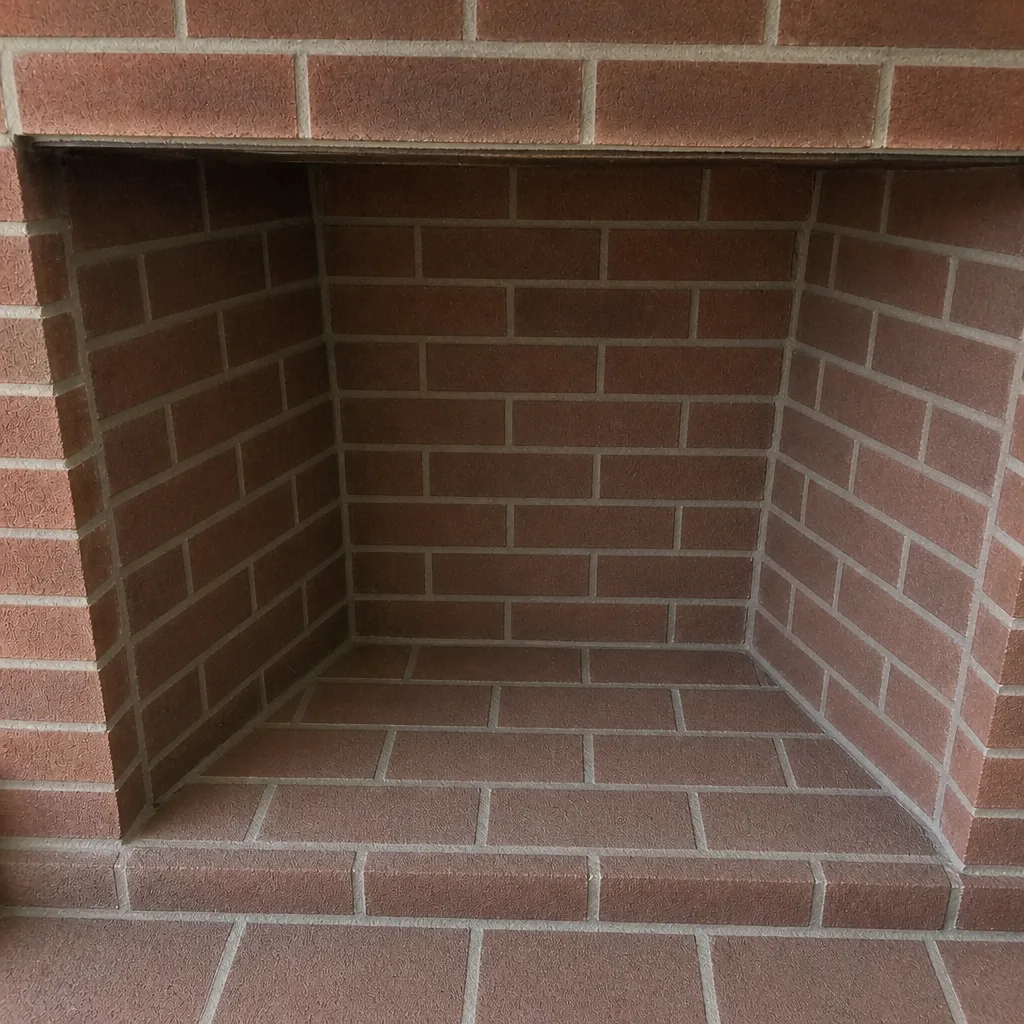
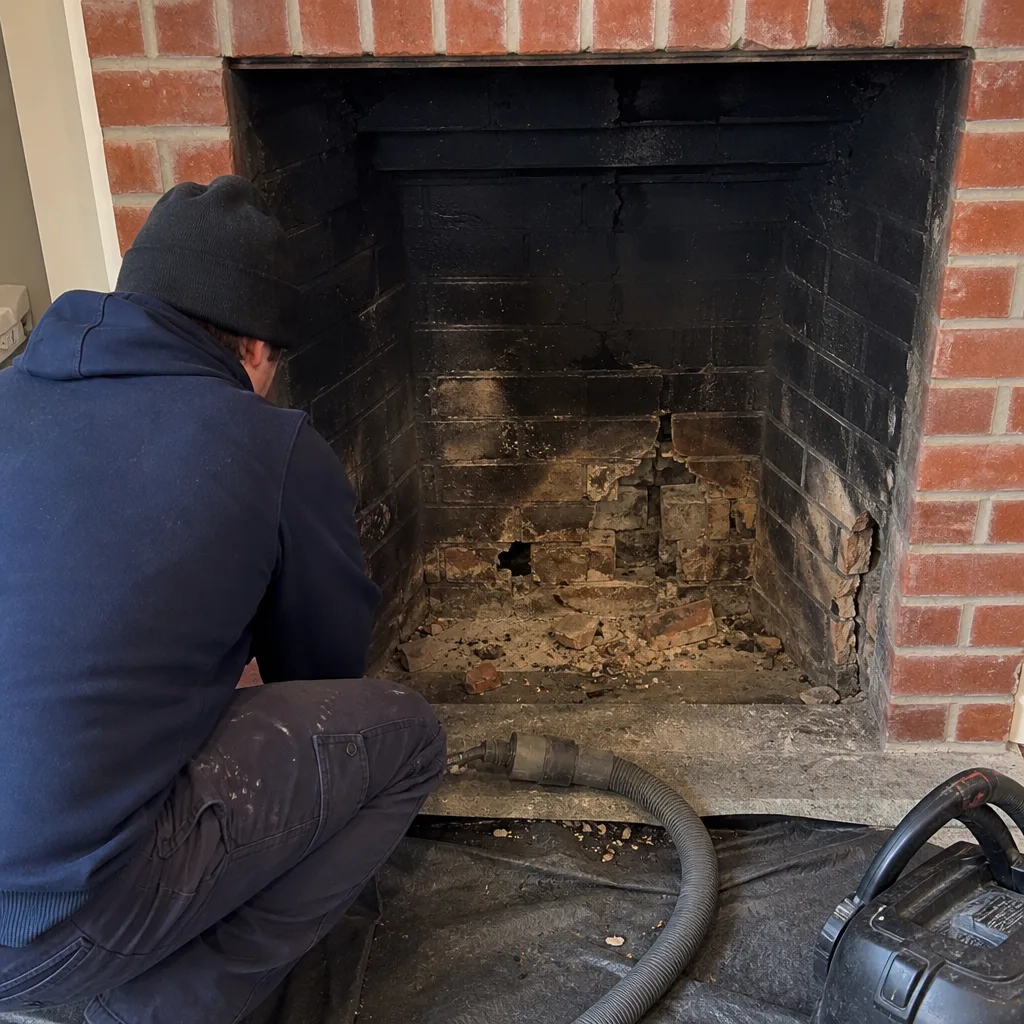
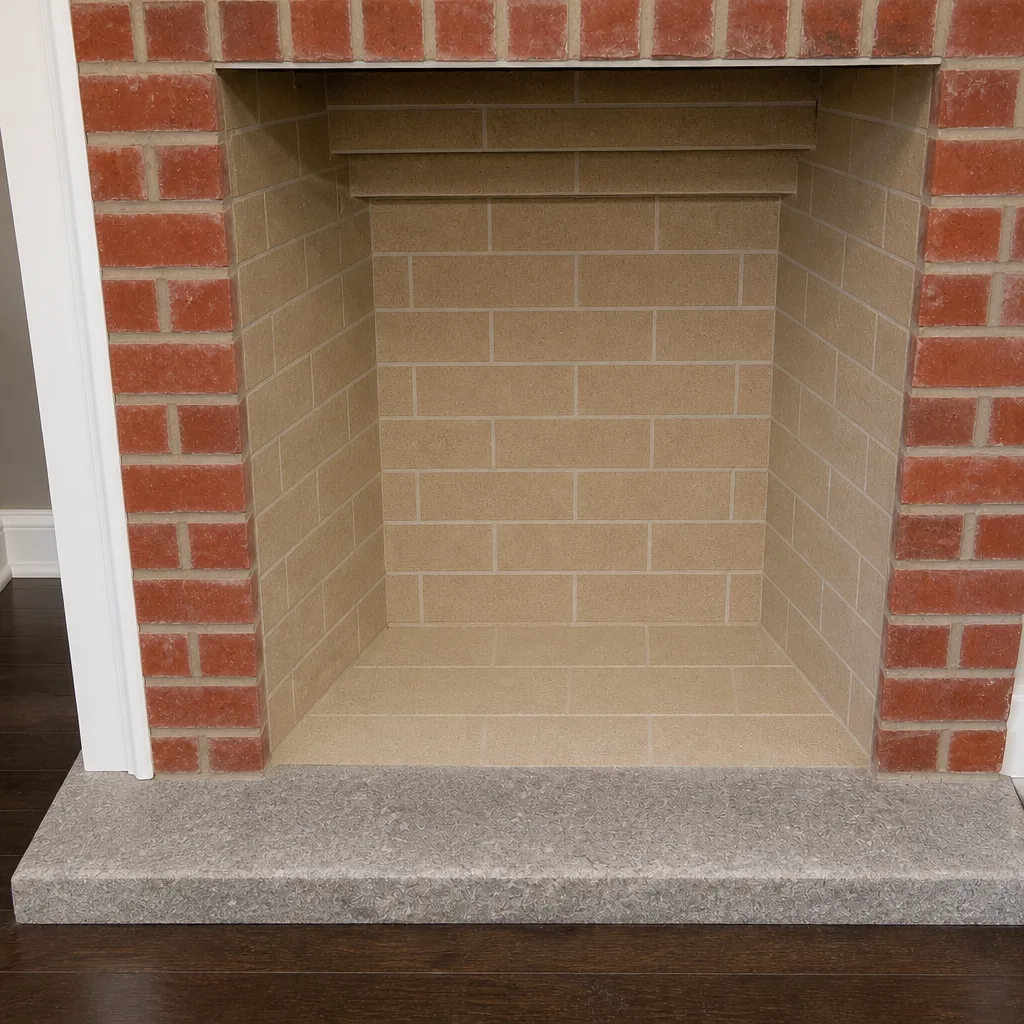
See the difference
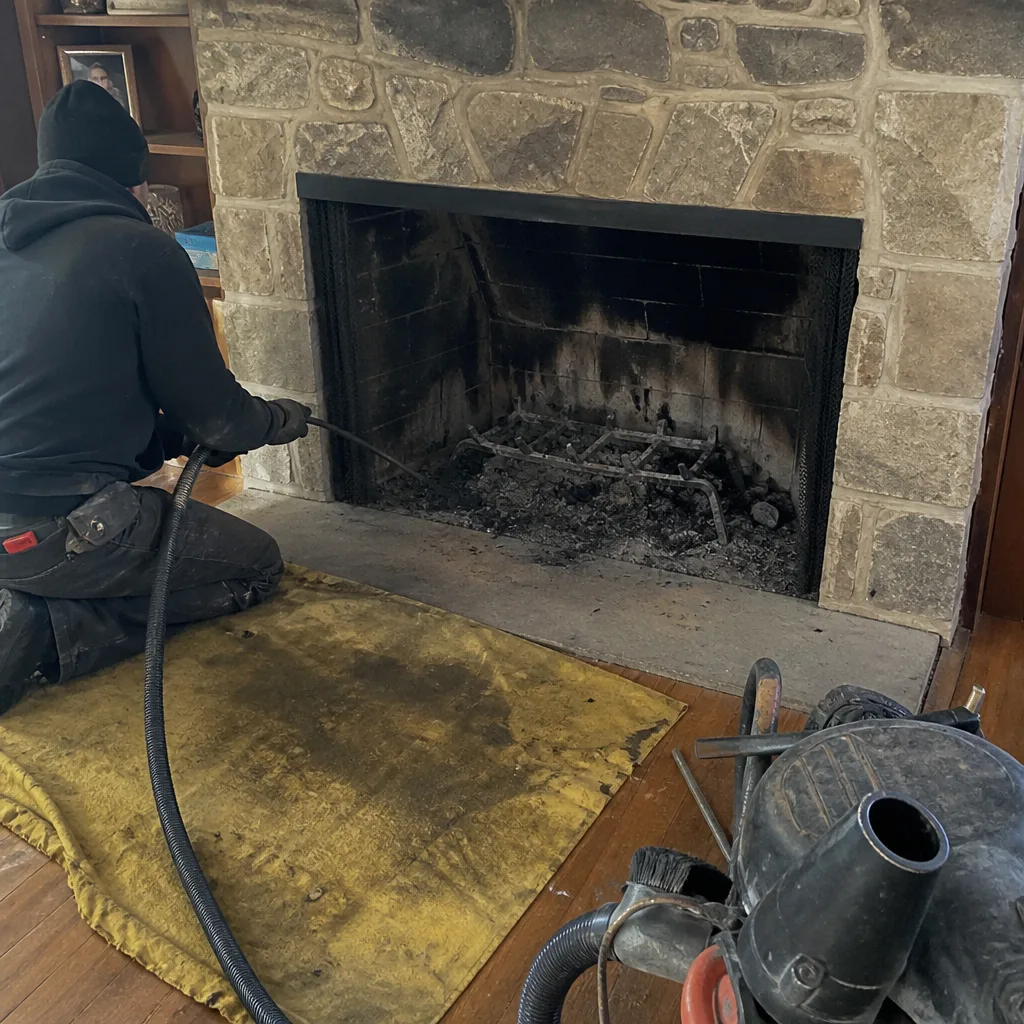 Before
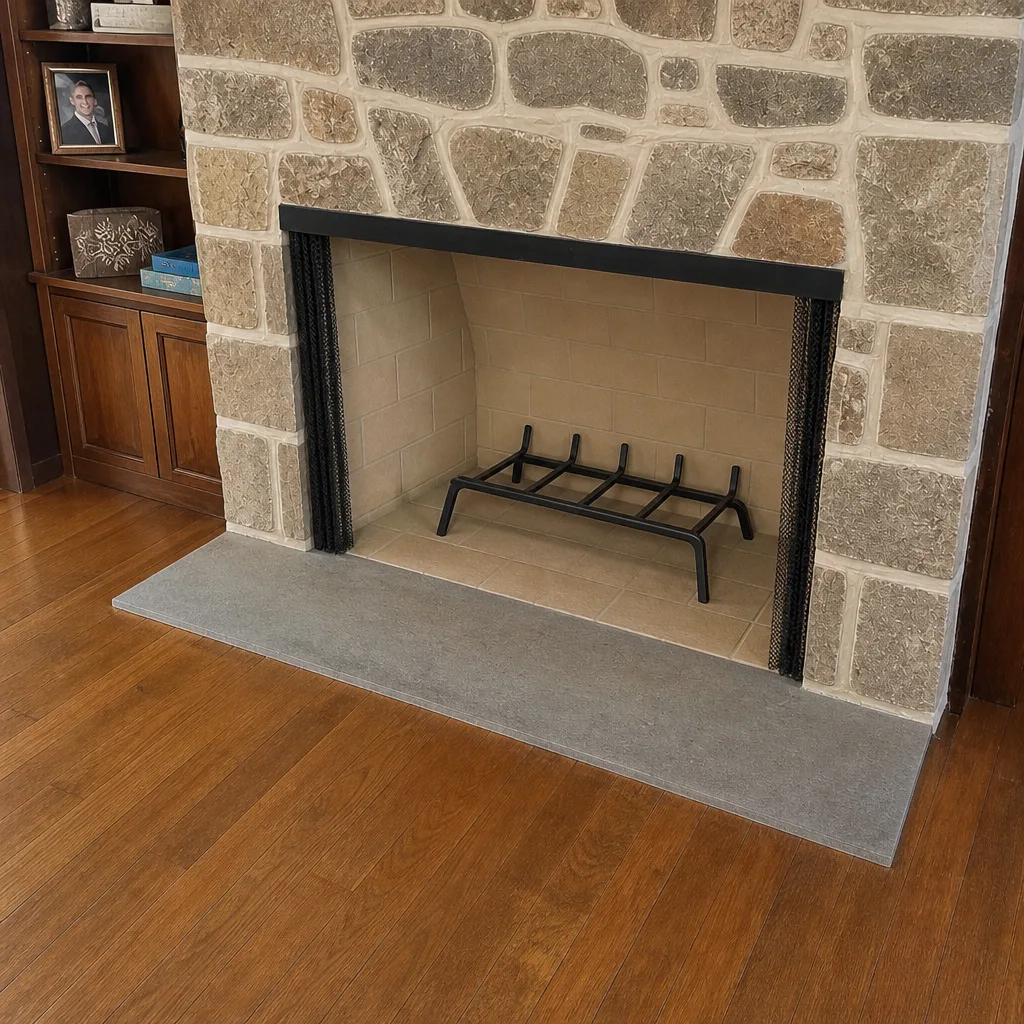 After
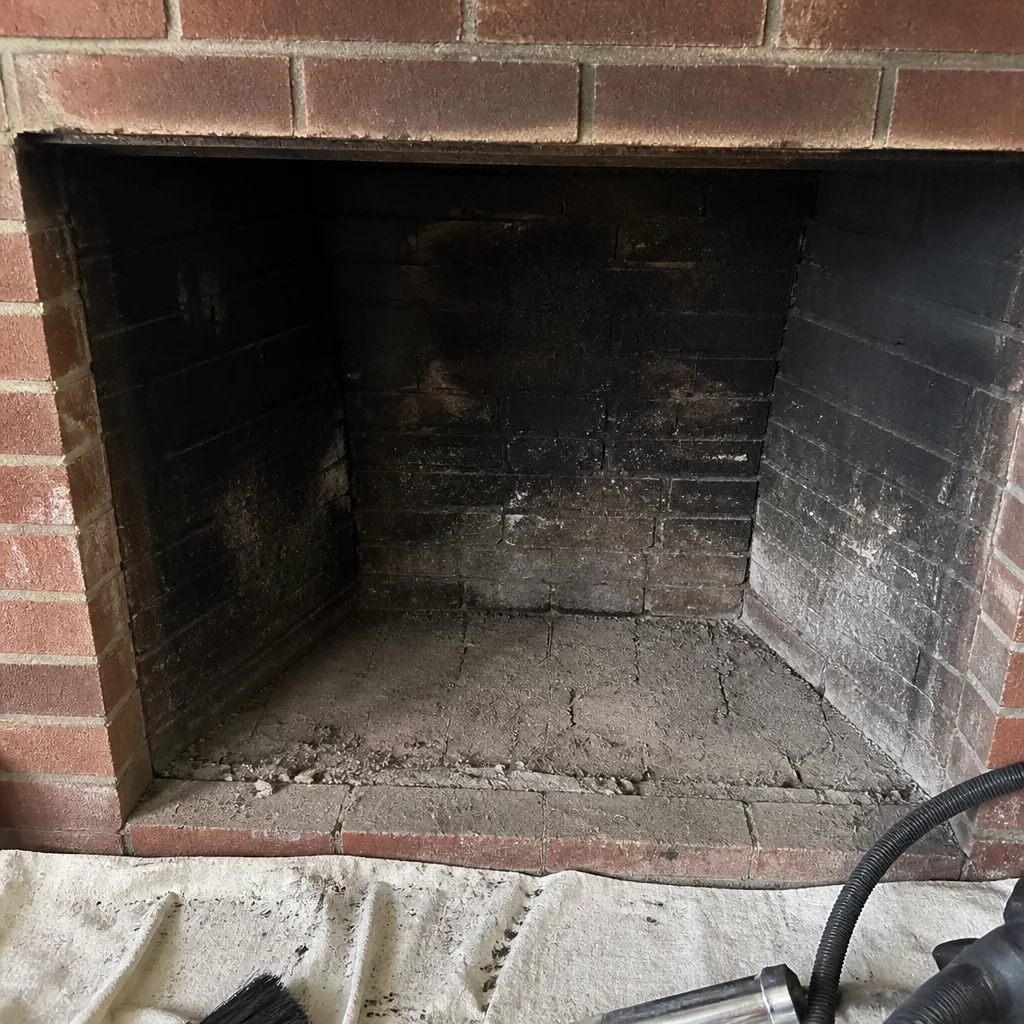 Before
 After
 Before
 After
When to Call a Professional
Call a professional in these cases: you’ve recently bought a home in St. Albans with a fireplace you haven’t had inspected; you notice a strong creosote smell indoors on warm days; you see smoke escaping into the room rather than up the flue; you’ve had a chimney fire, even a small one; your chimney is more than a few years old and hasn’t been inspected since you moved in; or a home inspector has flagged masonry or liner issues. In any of these situations, the first step is an inspection rather than a repair. A trained eye will tell you what actually needs doing. Chimney Sweep St. Albans offers free estimates in St. Albans; call (833) 468-5934. We answer 24/7. Fast dispatch from 7am to 7pm, Sunday through Friday.
Frequently Asked Questions
Chimney sweep pricing depends on the sweep alone versus the sweep with a full inspection and report, the flue’s configuration, and whether any repair work is needed. Pricing is set per job by a written estimate, and the estimate is free. Call (833) 468-5934 for an exact quote.
Only if the current liner is failing, is the wrong material for your appliance, or has been damaged by a chimney fire or by moisture. The liner is not replaced on a guess: it’s replaced when photographs and a written diagnosis show a real problem. Ask to see the evidence, and if the flue is intact, the answer is no.
Once a year for a wood-burning chimney used through the season, and every year for inspection even if you burn occasionally. Gas and oil flues also need annual inspection. In St. Albans, the practical timing is to book before the burning season starts, when the flue is inspected and swept before the first fire.
Creosote builds up, and creosote is combustible. A flue that hasn’t been swept or inspected can develop a liner problem without any visible sign from inside the house. Annual inspection is what turns “probably fine” into evidence. Call (833) 468-5934 to book and get that evidence.
No. New York does not require a license or certification for chimney sweeps, which is why requiring CSIA certification matters so much when you hire. It’s the most reliable independent credential available in a trade with no state licensing, and it tells you the technician has passed an exam and is bound to a code of conduct.
Same-day scheduling is possible depending on the season and what’s open, and the visit is booked rather than dispatched on demand. The urgency here is seasonal, not hourly. Call (833) 468-5934. We answer 24/7, with fast dispatch from 7am to 7pm, Sunday through Friday.
The Bottom Line
Hiring a chimney contractor in St. Albans comes down to four checks: CSIA certification for the technician coming to your home, general liability and workers’ compensation certificates in writing, a clear answer to whether the contractor is a chimney specialist, and a written estimate with a full scope. Read the post-service report before you pay, and require photographic evidence for any repair recommendation. In a state with no chimney licensing requirement, that’s the vetting that matters. Chimney work is all we do at Chimney Sweep St. Albans, and we name the materials we use because that’s a question every homeowner should ask. If we can help, call (833) 468-5934 for a free estimate. We answer 24/7. Fast dispatch from 7am to 7pm, Sunday through Friday. You can also review our chimney cap & crown work for the exterior side of chimney care. Our technicians have up to 11 years of experience. Return to the Chimney Sweep St. Albans homepage if you’d like to start with the basics.
Written by the team at Chimney Sweep St. Albans.