
Last updated November 25, 2026
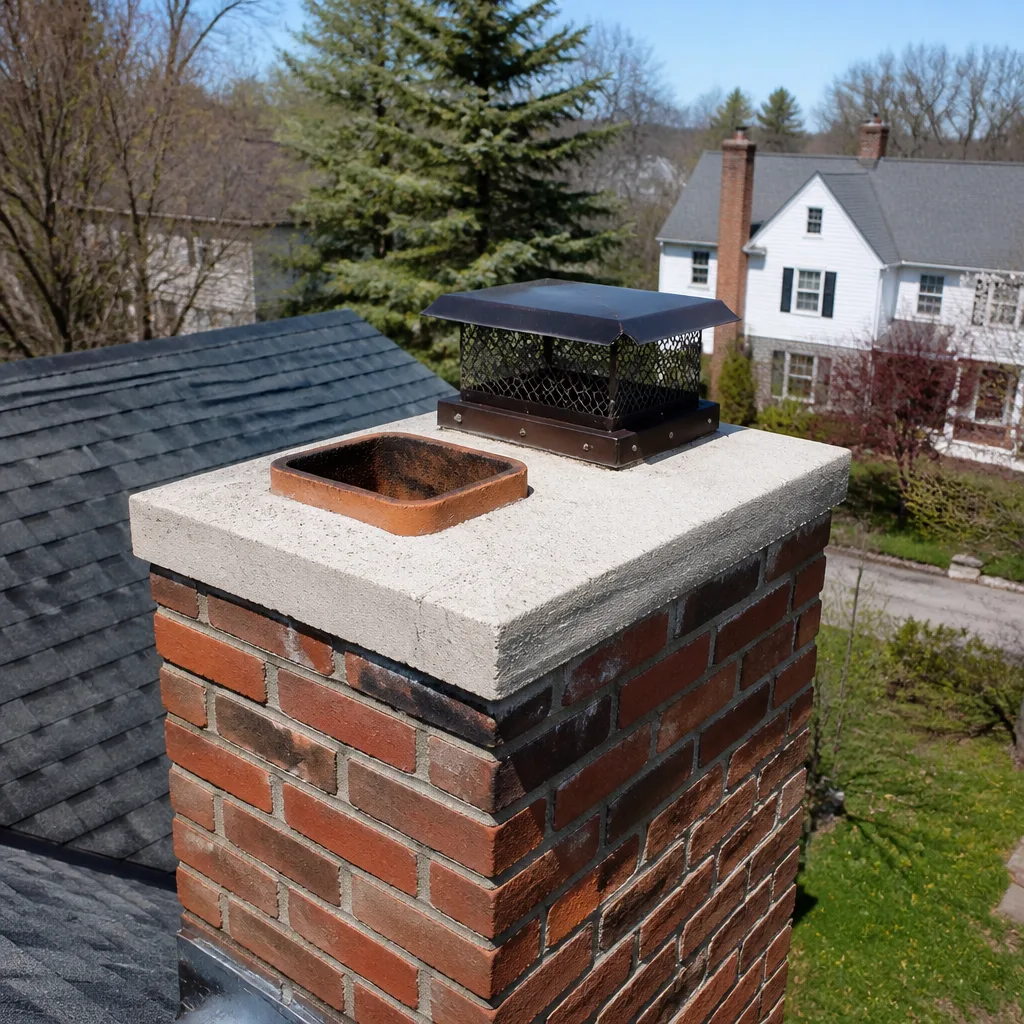 Sweep & inspection
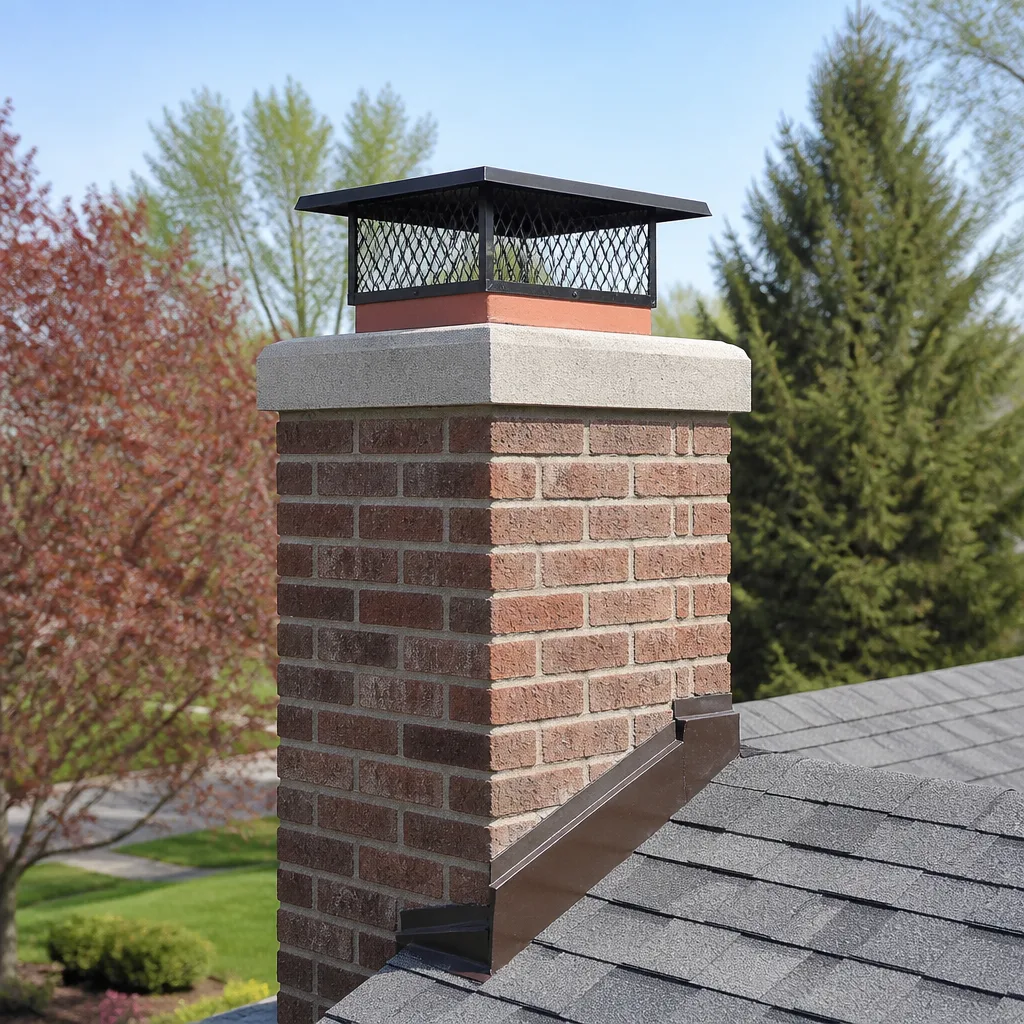 Caps & crowns
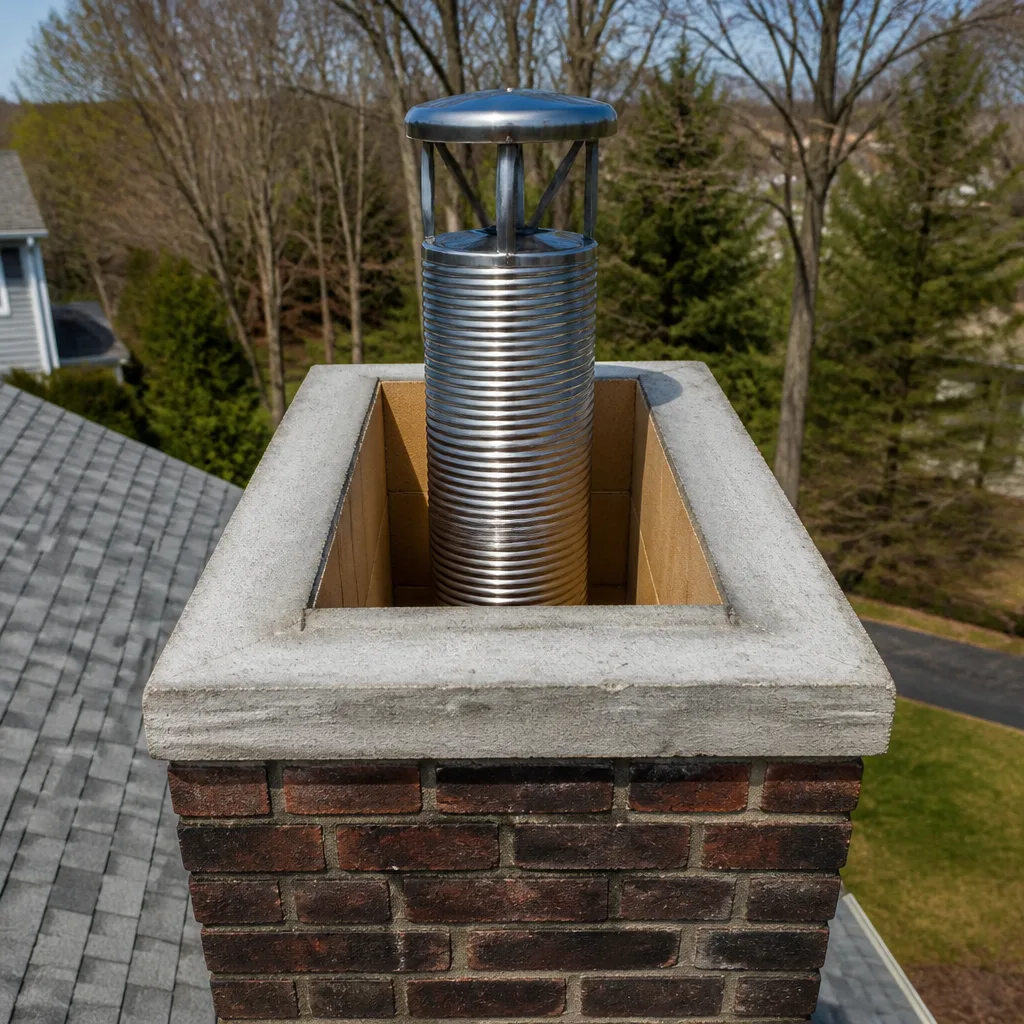 Flue relining
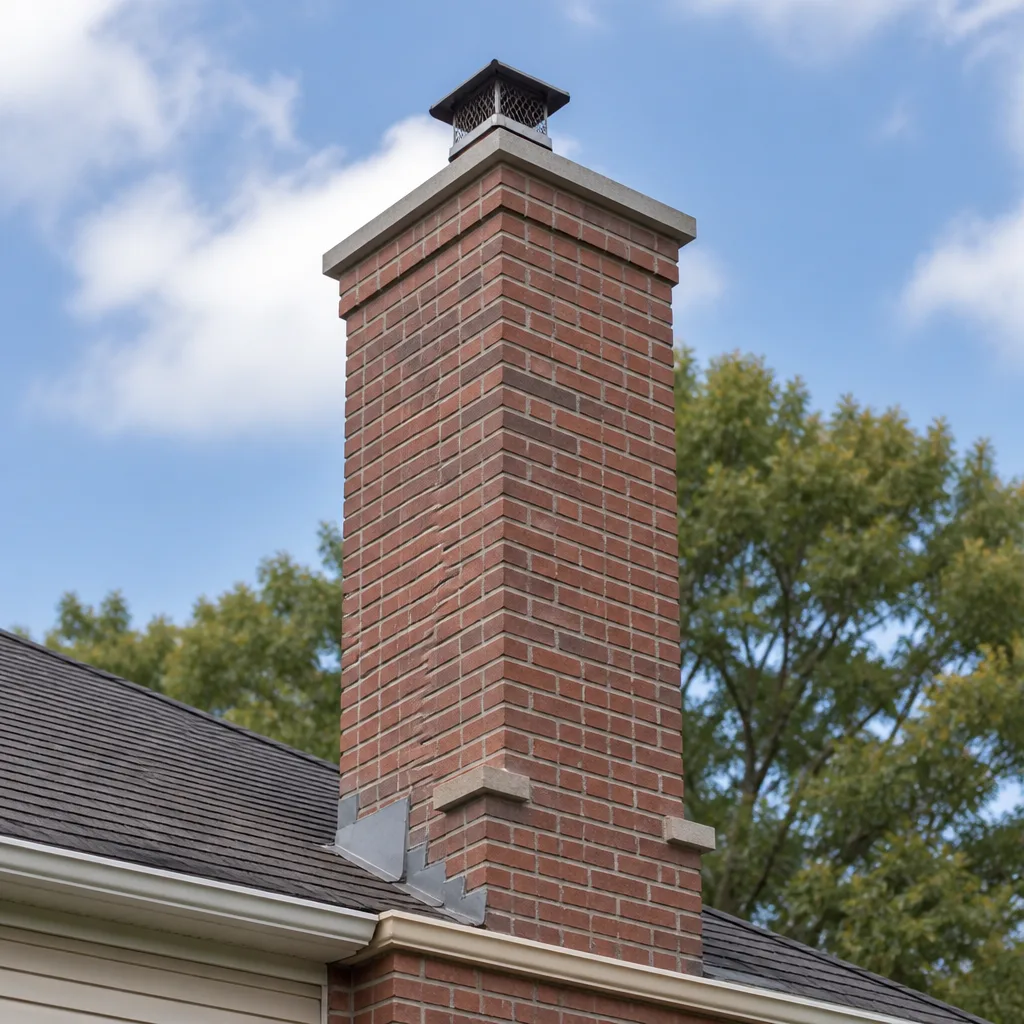 Masonry repair
 Gas fireplace service
Level 1 sweep and inspection to the NFPA 211 annual standard - flue, crown, cap, and flashing checked and photographed
Chimney sweep logs do not sweep chimneys. They loosen some creosote - which then falls where a brush and vacuum still have to collect it.
Chimney Cleaning Permits, Codes & Inspections in St. Albans, NY: What You Need to Know
The phone call that catches most St. Albans homeowners off guard doesn’t come from the city. It comes from a buyer’s attorney, three weeks before a closing, asking for the permit history on a chimney liner that was installed years ago. A sweep and a cleaning rarely trigger that call. Relining, rebuilding, and appliance work do, because those jobs cross a line in the NYC Building Code that ordinary maintenance stays on the safe side of. In this guide we’ll walk through where that line actually sits, what the FDNY expects of multi-family properties in Queens, how a DOB Alt-2 filing works and when a chimney contractor should be pulling one for you, and how to check a property’s permit record before you commit to buying it. If you heat with wood, gas, or oil in St. Albans, this is the paperwork side of chimney ownership nobody explains until it’s a problem.
Quick Answer
Routine chimney cleaning in St. Albans and across New York City does not require a DOB permit; it’s maintenance, not construction. The moment work involves a new liner, a rebuilt chimney, a changed flue, or a new or replaced appliance connection, it typically falls under the NYC Building Code and needs a permit, often filed as an Alt-2. Separately, FDNY inspection requirements apply to certain multi-family buildings, so owners of rental properties in Queens carry obligations a single-family homeowner doesn’t. Get the permit question right before work starts, not at closing.
Styles & brands we work with
- Sweep & inspection
- Caps & crowns
- Flue relining
- Masonry repair
- Gas fireplace service
Table of Contents
- Where the Permit Line Actually Falls
- FDNY Rules for Multi-Family Dwellings in Queens
- What a DOB Alt-2 Filing Covers
- How Local Law 11 Interacts With Chimney Exterior Work
- How to Verify Permit History Before You Buy
- Inspection and Sweeping: What Each One Is For
- Questions That Separate a Specialist From a Generalist
Where the Permit Line Actually Falls
The simplest way to think about it: cleaning removes what’s inside the flue, and permits govern what you change about the flue itself. Sweeping, brushing, vacuuming, removing creosote, checking a cap, and taking a camera look up the flue are all maintenance. No filing, no inspection by a city agency, no paperwork beyond the report you keep for your own records.
Cross into construction and the picture changes. In our experience the jobs that most often need a permit are the ones homeowners assume are “just a repair”:
- A new or replacement flue liner. Installing a stainless flexible liner or a cast-in-place relining system changes the flue, so it falls under the code rather than under maintenance.
- Rebuilding a chimney above the roofline. Taking a chimney down below the roof and rebuilding the stack is structural work.
- Changing the flue’s route or size. Adding a flue, combining appliances onto one flue, or resizing a flue is a code question, not a cleaning question.
- New appliance connections. A new wood stove, a new furnace, or a boiler connected to a chimney usually triggers a permit and an inspection of the installation.
- Fireplace changes. Converting a wood-burning fireplace to gas, or installing an insert, generally moves the job into permitted territory.
A chimney repair that stays on the exterior (a crown rebuild, a cap replacement, repointing mortar at the top) is usually ordinary maintenance and usually doesn’t require a filing, though a crown rebuild on a tall stack can raise questions worth asking your contractor about. If you’re unsure which side of the line your job sits on, describe it plainly and ask the question directly. A contractor who can’t answer it clearly is a contractor who hasn’t filed for one.
One more local point: St. Albans has a large stock of older detached homes, many with masonry chimneys built decades ago, and a lot of them have had work done over the years by people who never pulled a permit. That history is exactly what buyers’ attorneys pull records for.
FDNY Rules for Multi-Family Dwellings in Queens
If you own a two-family or three-family house in St. Albans and rent out a unit, your chimney obligations are broader than a single-family owner’s. The FDNY inspects certain multi-family residential buildings for fire safety compliance, and a chimney serving heating equipment in a rental property is part of what an inspector may look at. The rules attach to the building, not to whether you personally live there.
What that means in practice:
- Keep records. Every sweep, every inspection report, every repair invoice should be filed and retained. When an inspection or a tenant question comes up, paper is the answer.
- Annual maintenance is the baseline. Industry guidelines call for an annual chimney inspection, and for rental property the case for keeping that schedule is even stronger, because you’re responsible for someone else’s safety.
- Heating appliances must be properly connected and venting correctly. A flue that was fine for a previous boiler may not suit a replacement, and the installation is the part that gets checked.
- Carbon monoxide matters more in a building with shared walls and equipment in basements or utility closets. A blocked or compromised flue on a rental property is a serious matter, and the fix is a proper inspection and repair, not a patch.
We’ve seen St. Albans landlords get surprised by this when they inherit a property from family and treat the chimney as something that “just works.” It works until it doesn’t. Annual documentation is cheap compared with the alternative.
What a DOB Alt-2 Filing Covers
An Alt-2 is the NYC Department of Buildings alteration application used for work that changes a building’s layout, exits, or egress but isn’t a major new structure. Chimney relining and rebuild work commonly falls under it. The filing covers the scope of work, the materials specified, and the licensed professional who takes responsibility for the job.
Here’s the part homeowners miss: a chimney contractor who is not a licensed plumber, electrician, or registered design professional generally cannot pull a DOB permit personally, and doesn’t file the Alt-2 alone. The filing is made by or through a licensed professional of record. When the job needs a permit, the right answer from your contractor is a clear explanation of who is filing and what the filing covers.
- Ask whether your job needs a permit. Describe the work: relining, rebuild, appliance change. Get a yes, no, or “let me confirm.”
- Ask who files the Alt-2. A specialist should tell you plainly that the filing is made through a licensed professional and that the scope of work goes into it.
- Ask what’s specified in the filing. The materials, the flue sizes, the liner type. When we install a DuraFlex flexible liner or a HeatShield cast-in-place relining system, the material spec is part of the job and should match the filing.
- Keep the permit number and the final sign-off. These are the documents that get you through a sale.
A chimney work specialist who won’t discuss the permit process at all is telling you something important. Chimney work is all we do, and part of doing it right is being honest about when a filing is required and when it isn’t.
How Local Law 11 Interacts With Chimney Exterior Work
Local Law 11, the Facade Inspection Safety Program, applies to certain buildings in New York City (generally buildings over six stories) and requires periodic facade inspections by a licensed professional. Chimneys on those buildings can come into the picture when a facade inspection identifies a chimney stack or its exterior masonry as part of the facade condition. For most single-family and low-rise properties in St. Albans, Local Law 11 doesn’t apply. But if you’re responsible for a larger building, or you own a property that has been converted, it’s worth knowing the interaction exists.
Where it matters: exterior chimney repairs on a covered building may need to be coordinated with the facade inspection findings, which affects sequencing and scope. A crown, a stack rebuild, and masonry repointing at the top all touch the exterior of the chimney. Getting the work done correctly and documenting it is part of keeping the facade condition compliant.
The practical advice for a St. Albans homeowner: if your property is a low-rise house, Local Law 11 is not your problem, but exterior chimney condition still is. A chimney cap & crown that’s failing lets water in, and water in a masonry chimney in this part of Queens, where freeze and thaw cycles work on brick and mortar all winter, is what turns a small repair into a rebuild. The cap keeps rain and animals out; the crown sheds water off the top of the stack. Both are the cheap end of chimney work when they’re done early.
How to Verify Permit History Before You Buy
Chimney work is one of the most commonly unpermitted categories of home improvement, and it’s one that surfaces at the worst possible moment. A stop-work order on work done years ago, or a re-inspection requirement at closing, is a problem that doesn’t appear until a buyer’s attorney asks for records. In St. Albans, where older homes have often passed between family members or been renovated by prior owners, this is a real risk.
Before you close on a property, check the record:
- Pull the DOB permit history for the address. The Department of Buildings maintains an online record of permits, filings, and violations by property. Look for any chimney, boiler, or appliance work.
- Ask the seller for receipts and inspection reports. A chimney that has been swept annually will usually come with paper. No paper is not proof of a problem, but it’s a reason to look closer.
- Get an independent chimney inspection before you buy. Not a sweep, an inspection. A chimney sweep cleans; an inspection documents the condition of the flue, the crown, the cap, and the appliance connection, and it gives you a camera-recorded picture of what you’re buying.
- Compare the inspection to the permit record. If the inspection shows a stainless liner but the DOB record shows no filing, ask the seller when and by whom the work was done.
- Get the cost of any needed work in writing before closing. A written estimate gives you a number to negotiate with.
We can’t tell you what a property’s record shows, but we can tell you that an inspection report performed before closing is one of the few pieces of due diligence that pays for itself in peace of mind or in leverage. If you want to know what’s going into your flue before you own it, ask us for the inspection and we’ll put the camera where it matters.
Inspection and Sweeping: What Each One Is For
Homeowners often use the words interchangeably, and that’s a mistake. A sweep cleans the flue. An inspection evaluates it. In our line of work they’re different services with different outputs, and a good chimney company does both.
- A sweep removes creosote, soot, and debris from the flue. It reduces fire risk from creosote buildup and keeps the flue working the way it should. Industry guidelines recommend sweeping based on how much you burn; wood heat usually means more frequent cleaning than gas.
- An inspection is a documented evaluation of the flue, the crown, the cap, the firebox, and the appliance connection, ideally with a camera. It tells you the condition and identifies problems you can’t see from the ground floor.
Why the distinction matters for permits: an inspection is the diagnostic tool that tells you whether your job is maintenance or construction. A camera inspection that shows a deteriorated clay flue tile might mean the next step is a relining job, and relining may need a permit. The inspection is how you find out before you commit.
There’s a second reason the distinction matters. If a contractor inspects and then recommends a large repair, you should be able to see the evidence. We don’t recommend a liner or a rebuild unless the camera shows it, and we show you the picture. That’s the difference between a diagnosis and a sales pitch.
Questions That Separate a Specialist From a Generalist
You don’t need a chemistry degree to tell whether your chimney contractor knows what they’re doing. You need a handful of direct questions and an ear for a confident answer.
- “What material are you putting in my flue?” A specialist names the product. We use DuraFlex, HeatShield, Gelco, Olympia Chimney, Famco, and Copperfield, and we’ll tell you which one and why. If the answer is “a liner,” ask again.
- “Does this job need a permit, and who’s filing?” A confident answer should mention the NYC Building Code and, if a permit is needed, the licensed professional who files the Alt-2. “You don’t need one” without explanation is a red flag.
- “Will the person who inspects also do the repair?” At Chimney Sweep St. Albans the answer is yes. Inspection and repair are the same team, so there’s no gap between finding a problem and fixing it.
- “What’s the difference between sweeping and inspecting?” If the contractor uses the words interchangeably, they’re probably not doing both properly.
- “Can I see the camera footage?” Yes is the only acceptable answer.
These are the questions detail-oriented buyers ask, and the answers tell you whether you’re dealing with a chimney specialist or a generalist who added sweeping to a menu of other trades.
Common Mistakes to Avoid
- Assuming a repair needs no permit because the last one didn’t. A prior homeowner’s unpermitted work doesn’t make the next job legal. The code attaches to what you’re building now, not to what was skipped before.
- Letting a relining job go unfiled and finding out at closing. Sellers and buyers discover unpermitted liner work when a title search or attorney’s review turns up the gap. Filing during the job is a small cost; discovering it at closing is a large one.
- Treating a rental property like a personal home. St. Albans landlords with two- and three-family houses need records for the FDNY, not just for themselves. Annual inspection paper is the cheapest insurance you’ll ever carry.
- Skipping the inspection and asking for “a cleaning” only. A sweep cleans what’s there; an inspection finds what isn’t visible. On a St. Albans house with an older masonry chimney, the inspection is what protects you.
- Ignoring exterior water damage through a winter. Freeze and thaw cycles here work on brick and mortar all season. A failing crown lets water in and turns a small repair into a rebuild by spring.
- Accepting a vague answer about materials. If your contractor can’t tell you whether it’s a DuraFlex flexible liner or a HeatShield cast-in-place system, they’re guessing. The material determines how long the fix lasts.
- Buying a home without a chimney inspection. The permit record and the inspection together tell you what you’re buying. One without the other is incomplete.
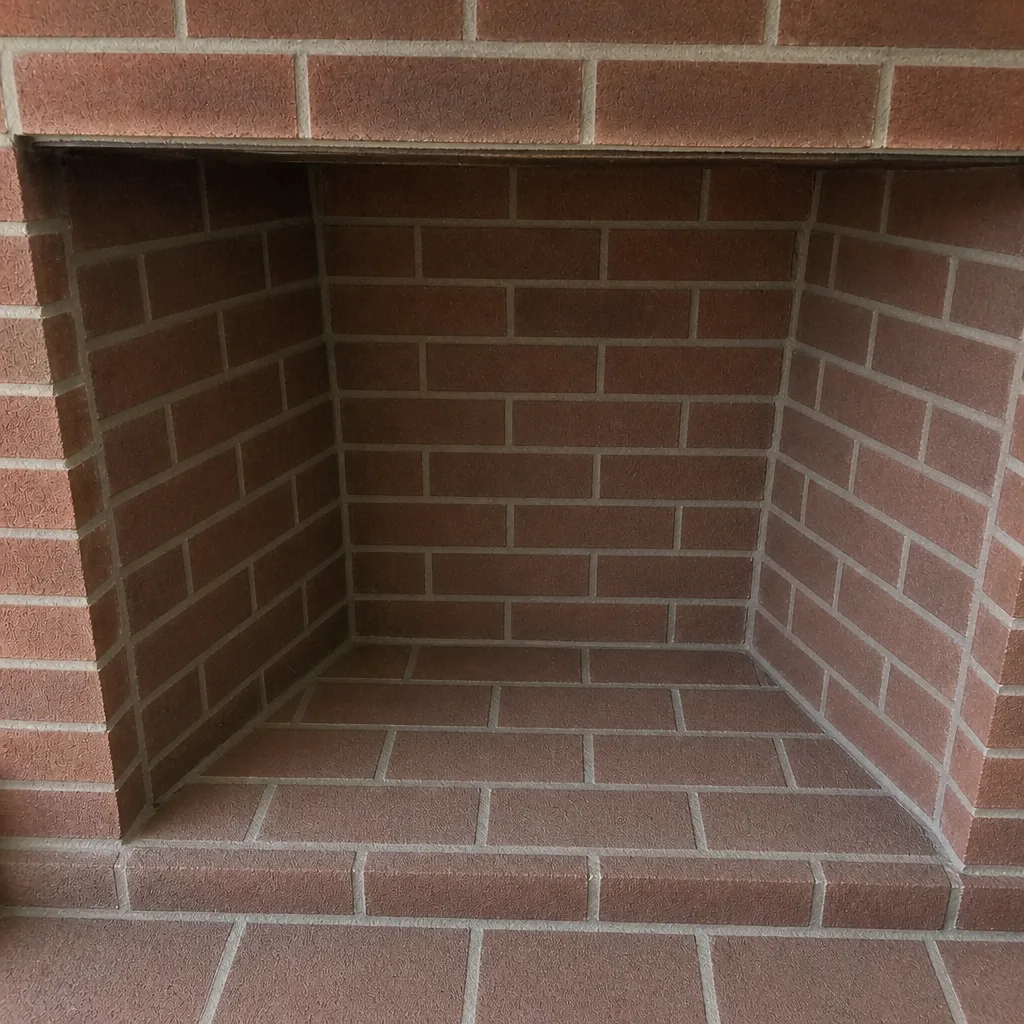
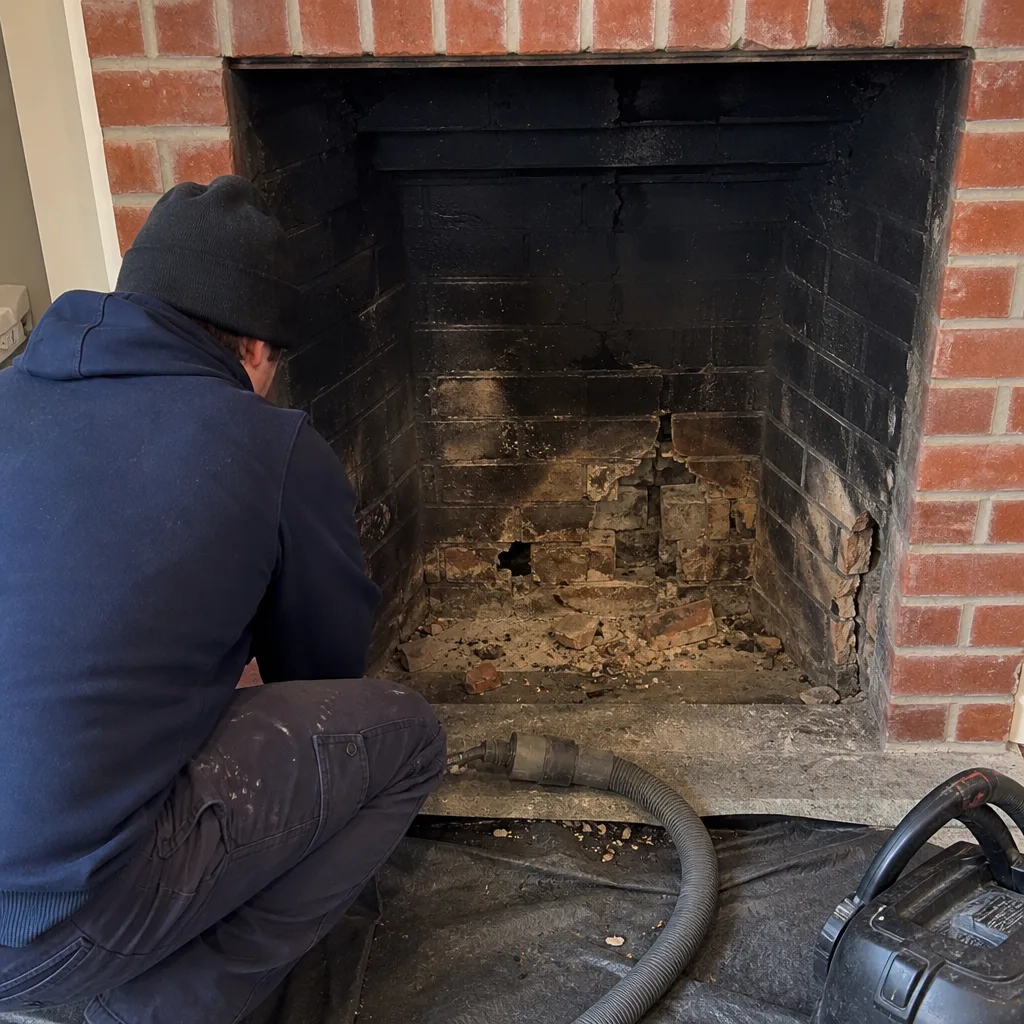
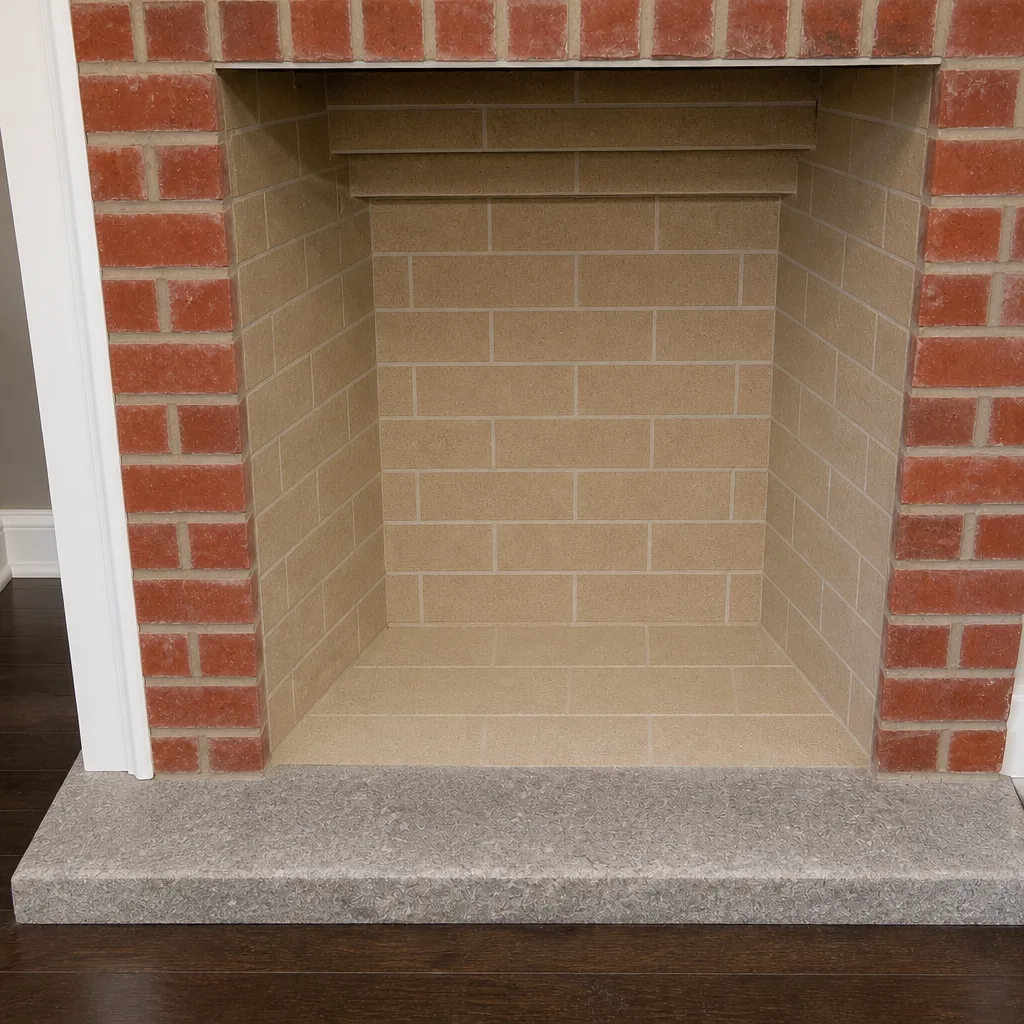
See the difference
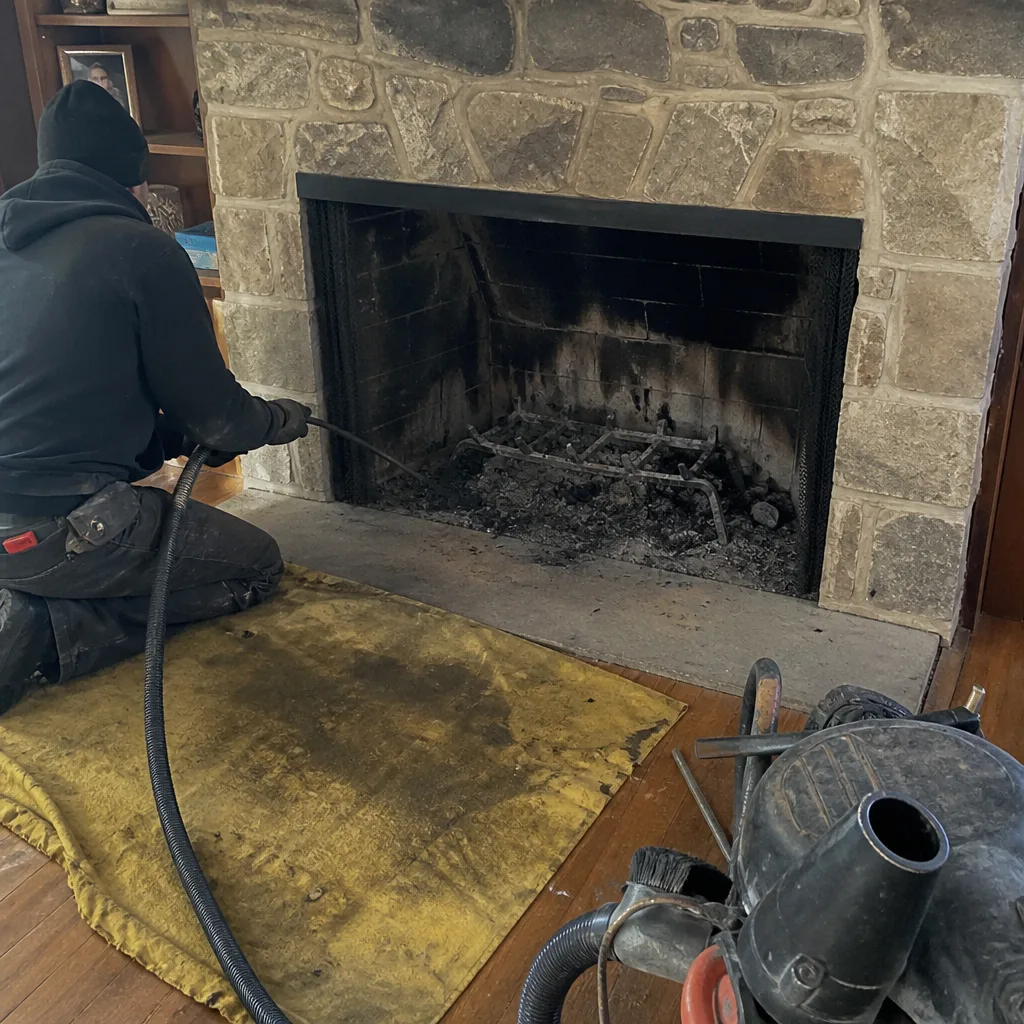 Before
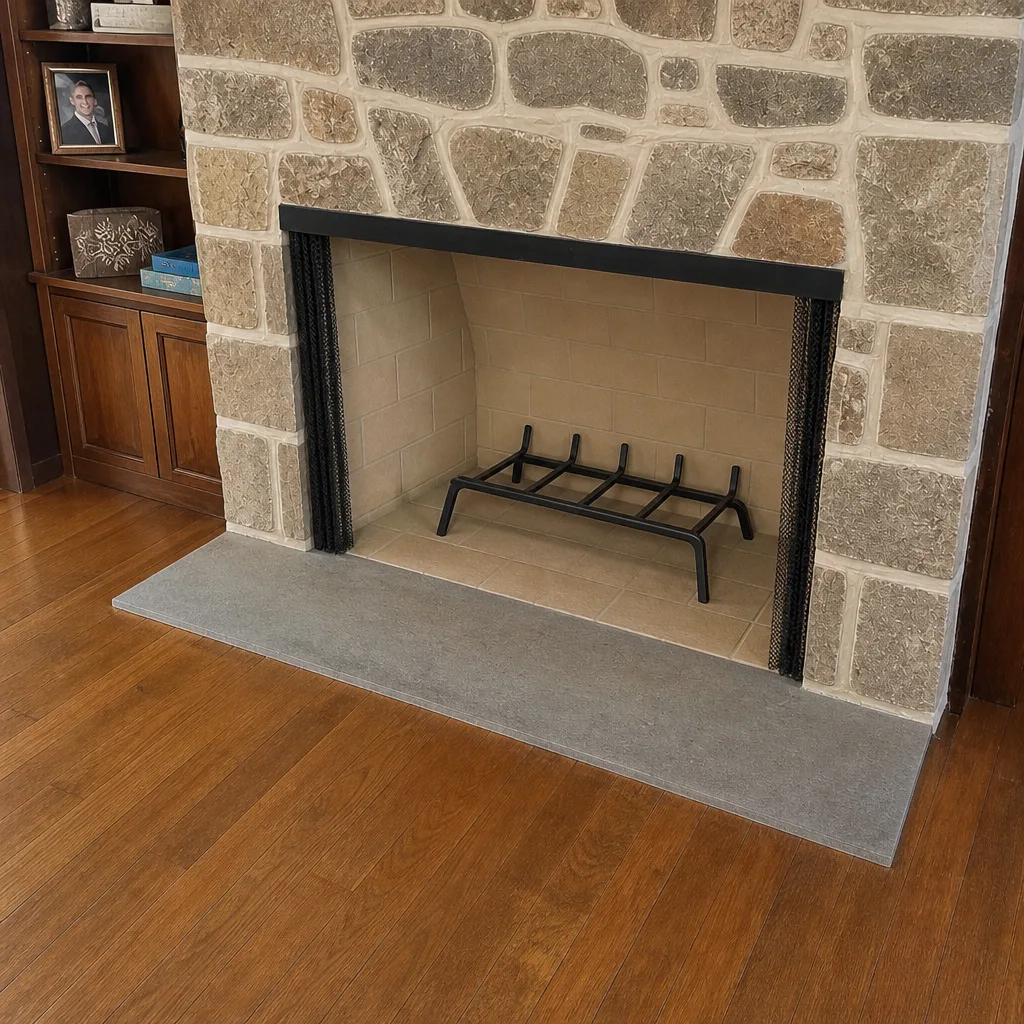 After
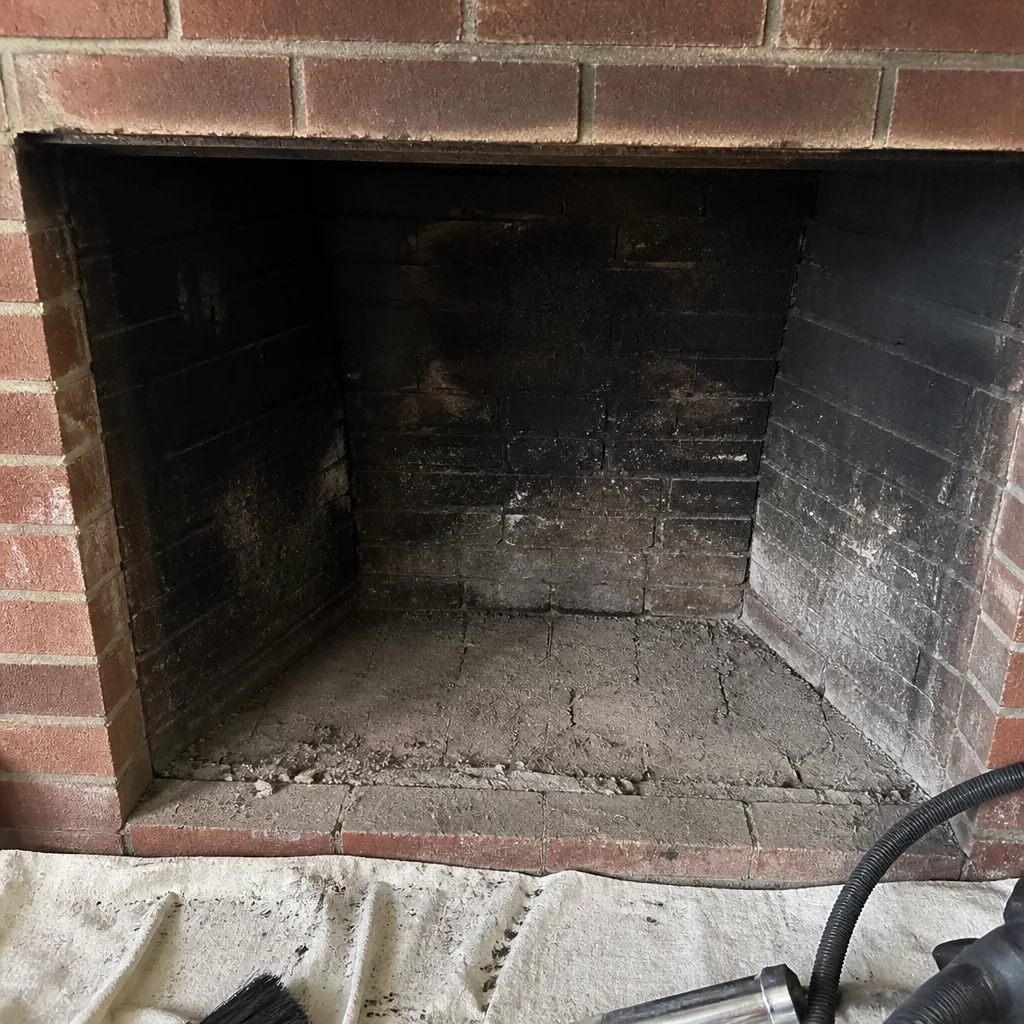 Before
 After
 Before
 After
When to Call a Professional
Call a chimney specialist when you don’t know the last time your chimney was inspected, when you’re buying or selling a home in St. Albans and need documentation, when a prior contractor’s work has no paper trail, when a rental property needs its annual records, or when you’ve been told a liner or rebuild is needed and you want the evidence before you commit. Also call when something changes: a new appliance, a new wood stove, a smell in the house, or a visible crack in the crown. Some of those need only an inspection; some need a permit and a written scope. A specialist who does both the diagnosis and the repair can tell you which. Chimney Sweep St. Albans offers free estimates in St. Albans. Call (833) 468-5934. We answer 24/7. Fast dispatch from 7am to 7pm, Sunday through Friday.
Frequently Asked Questions
No. Routine chimney cleaning is maintenance, not construction, and it doesn’t require a DOB permit anywhere in New York City. If the work involves a new liner, a rebuild, a changed flue, or a new appliance connection, that’s the point where a permit usually enters the picture. Call (833) 468-5934 for an exact answer on your specific job – estimates are free.
In most cases, yes. Installing a new liner changes the flue and falls under the NYC Building Code rather than under maintenance, which usually means a DOB filing, commonly an Alt-2. The right question to ask your contractor is who files the Alt-2 and what materials are specified in it. Call (833) 468-5934 if you want us to look at the job.
If you own a multi-family dwelling in St. Albans and rent out a unit, FDNY fire safety compliance applies to the building, and a chimney serving heating equipment is part of what an inspector may examine. Keep annual inspection and sweep records for every unit. Call (833) 468-5934 to set up an inspection and start the paper trail.
Pull the DOB permit history for the address and compare it with a chimney inspection. If the inspection shows a liner but the DOB record shows no filing, that gap is worth investigating before closing. An independent inspection performed before closing is the most direct way to find out. Call (833) 468-5934 for a free estimate on a pre-purchase inspection.
A sweep cleans the flue; an inspection evaluates and documents it. Sweeping removes creosote and debris and reduces fire risk. Inspection uses a camera to look at the flue, crown, cap, and appliance connection, and it produces the report you keep for a sale, a rental, or future repairs. Call (833) 468-5934 to book either.
Industry guidelines call for an annual chimney inspection, and sweeping on the schedule that matches how much you burn. A heavy wood-burner in St. Albans will need more frequent sweeping than a gas appliance. Annual inspection is also the baseline for a rental property. Call (833) 468-5934 to book one.
The Bottom Line
Cleaning doesn’t need a permit. Construction does. The line runs through relining, rebuilding, flue changes, and appliance installation, and in New York City that line is governed by the NYC Building Code, with Alt-2 filings handled through a licensed professional of record. FDNY compliance adds a layer for St. Albans landlords with multi-family houses. Local Law 11 mostly belongs to larger buildings, but exterior chimney condition matters everywhere, especially through Queens winters. If you’re buying in St. Albans, pull the DOB permit history and get an inspection before closing. Chimney work is one of the most commonly unpermitted categories in the city, and the permit record is the safest document in the file.
If you need a professional who can inspect the flue, name the materials, and file the paperwork when the job requires it, call Chimney Sweep St. Albans at (833) 468-5934 for a free estimate. We answer 24/7. Fast dispatch from 7am to 7pm, Sunday through Friday. From a routine visit covered on our Chimney Sweep St. Albans main page to a relining scope that needs a permit, one crew handles it start to finish.
Written by the team at Chimney Sweep St. Albans.