
Last updated November 25, 2026
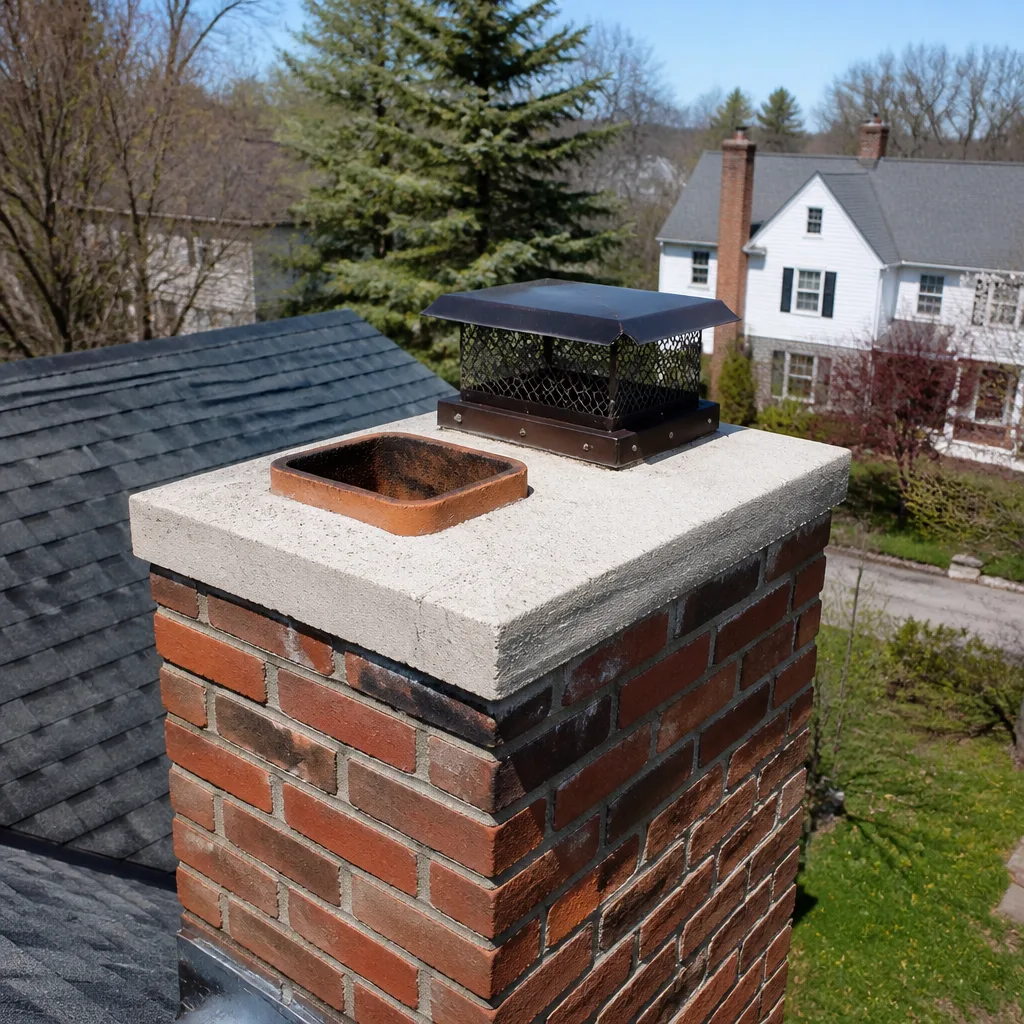 Sweep & inspection
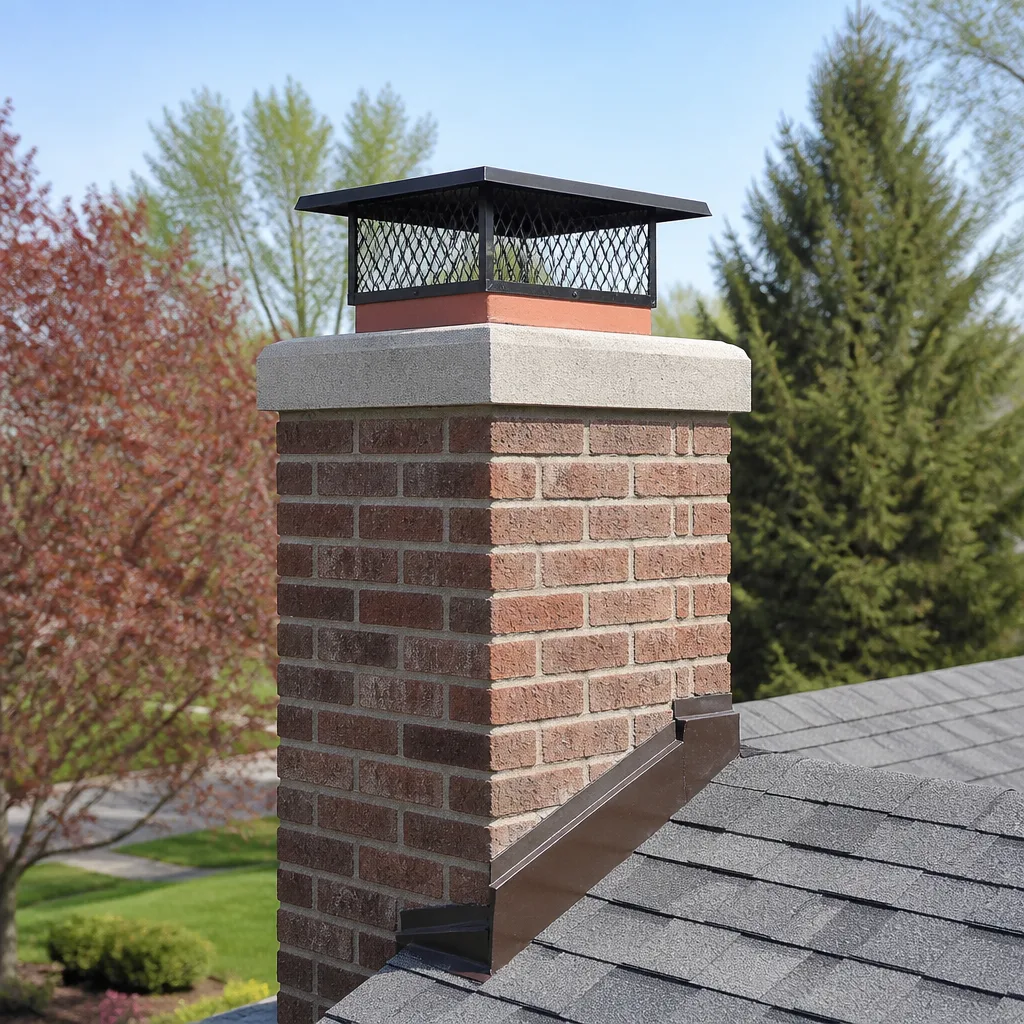 Caps & crowns
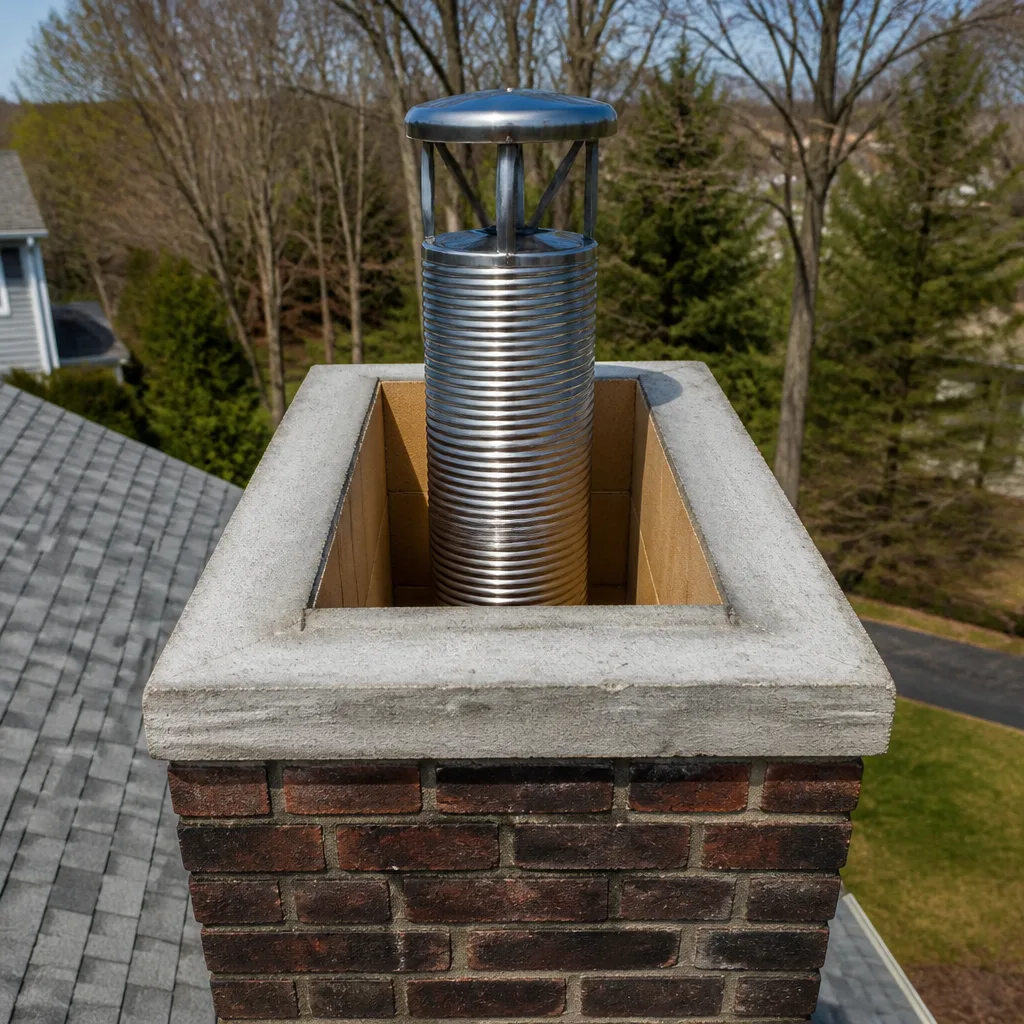 Flue relining
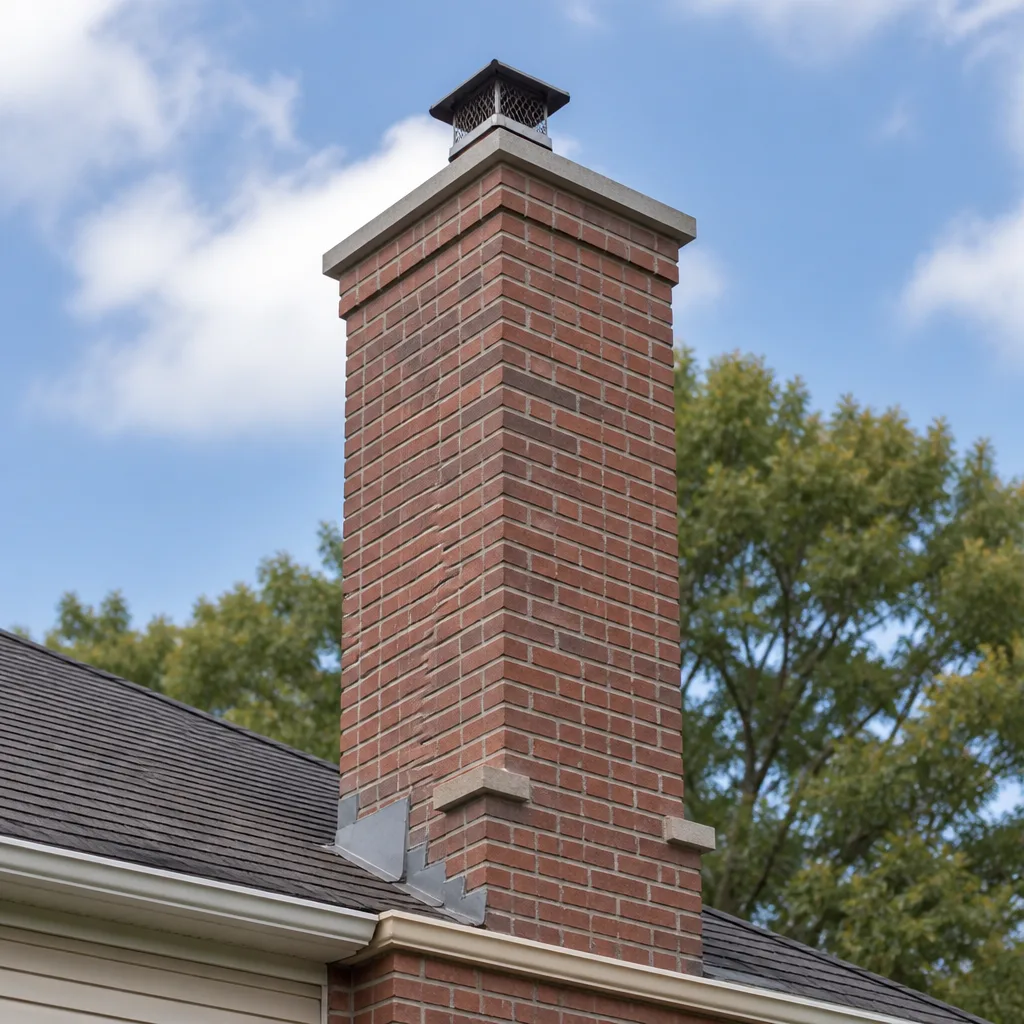 Masonry repair
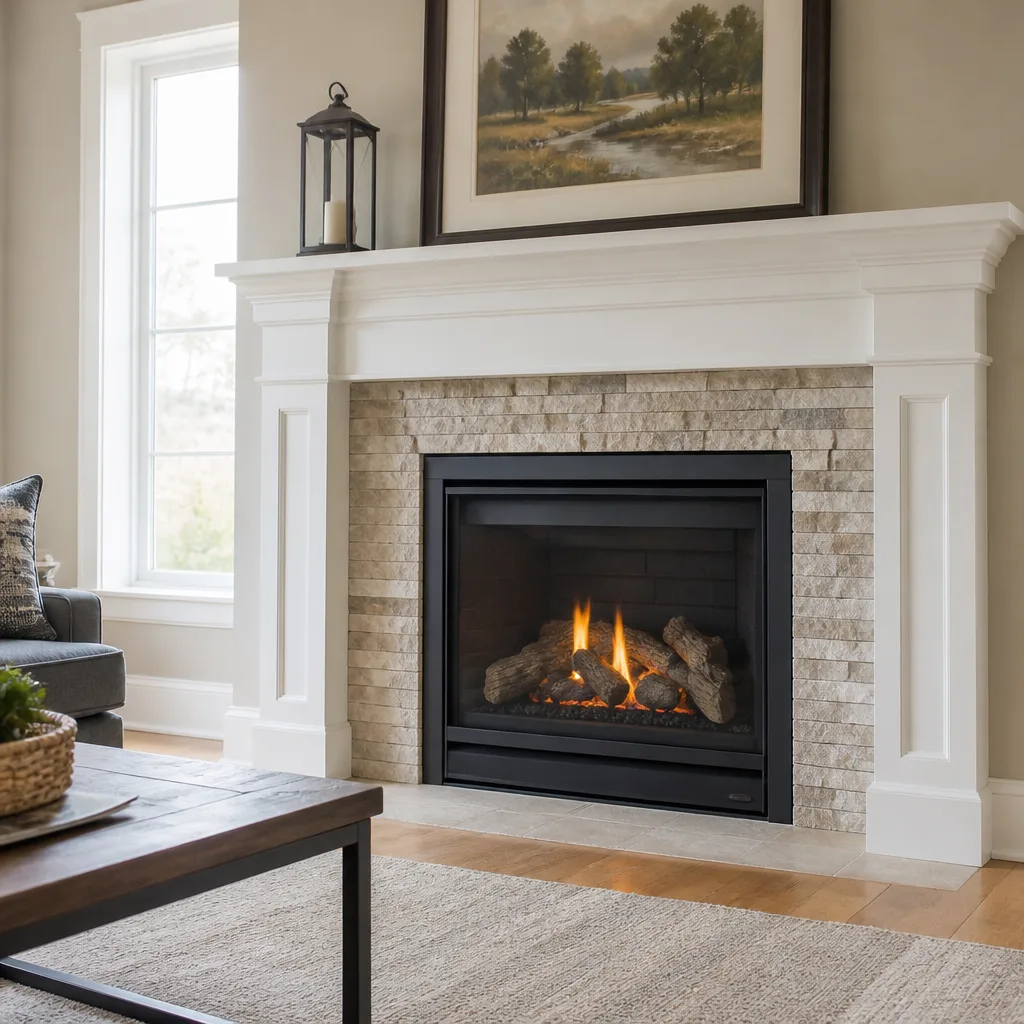 Gas fireplace service
Level 1 sweep and inspection to the NFPA 211 annual standard - flue, crown, cap, and flashing checked and photographed
Chimney sweep logs do not sweep chimneys. They loosen some creosote - which then falls where a brush and vacuum still have to collect it.
Seasonal Chimney Cleaning Care for St. Albans: Year-Round Homeowner’s Guide
Most chimney advice splits the year in two: sweep before winter, forget it by spring. That framing misses the real rhythm of a chimney in St. Albans, where a flue faces four different kinds of stress across twelve months. Late-summer humidity softens mortar. The freeze-thaw line of January and February works on cracks that didn’t move all autumn. Peak burning loads creosote through the coldest weeks, and spring rain finds every seam winter opened. By the time a homeowner thinks about cleaning in October, two or three of those stress windows have already closed. The window between mid-August and the first fire is the highest-value maintenance stretch of the year, and most households waste it. This guide maps a full annual calendar to the way a St. Albans chimney actually ages.
Quick Answer
In St. Albans, the best time for a chimney sweep and inspection is late August through September, before heating season starts, while a flue can be inspected dry and any moisture damage gets fixed before cold sets in. After that, a second look in spring catches what winter use and freeze-thaw did to the mortar and crown. Real year-round care means four checkpoints, not one, and the shape of each depends on whether your chimney serves a fireplace only or also vents a furnace or water heater.
Styles & brands we work with
- Sweep & inspection
- Caps & crowns
- Flue relining
- Masonry repair
- Gas fireplace service
Table of Contents
- Why a St. Albans Chimney Ages on a Seasonal Clock
- Late Summer: The Highest-Value Maintenance Window
- January and February: The Freeze-Thaw Problem
- Peak Burning Season: Creosote Load and What to Watch
- Spring: The Post-Season Inspection That Catches Winter Damage
- Dual-Use Chimneys: When the Fireplace Shares a Flue System
- Cap and Crown Monitoring: A Season-by-Season Cadence
- Common Mistakes to Avoid
- When to Call a Professional
Why a St. Albans Chimney Ages on a Seasonal Clock
A chimney is not a static structure. It’s a masonry and metal assembly that swells, dries, freezes, and dampens with the weather, and every one of those cycles leaves a mark. In a Queens neighborhood like St. Albans, a chimney faces humidity in late summer, hard cold in midwinter, and wet spring air in equal measure. Each of those phases acts on a different part of the chimney, so no single annual cleaning covers all of them.
The reason it matters is that the damage compounds. A hairline crack in a mortar joint often starts in a cold snap. Water gets in, expands as it freezes, and the crack widens. In spring, more water follows. By the next winter the joint has opened enough that the crown is no longer doing its job of shedding water, and the moisture has crept down toward the flue tile. None of that shows up as a sudden problem. It shows up as a slow pattern that a single April inspection won’t catch, because the visible signs are different in each season.
Think of the year as four checkpoints:
- Late summer: clean and dry-out before heating starts.
- Early winter: confirm the cap and crown are shedding water before the first hard freeze.
- Midwinter: watch the interior, because creosote and condensation build up under constant use.
- Spring: inspect for structural damage caused by freeze-thaw and sustained winter use.
This is the map we work from on every job. It’s also the reason a winter visit is not just a cleaning. When we sweep in St. Albans after a busy heating season, we’re also reading the chimney for what the last four months did to it – and that check drives the recommendation for the next season. Our technicians have up to 11 years of experience working with this kind of cycle, and it’s the standard we hold every job to.
Late Summer: The Highest-Value Maintenance Window
The single best time to book a chimney service in St. Albans is mid-August through September. Most people wait until October or November, once they’ve felt the first cold snap and started thinking about fires. By then, two of the four stress windows are already behind them, and the schedule fills up fast.
Late summer is ideal because the flue is dry. It hasn’t been heated for months, which means any condensation or moisture trapped from the previous season has had time to settle. A sweep and inspection on a dry flue reveals the true condition of the mortar, the crown, and the flue lining without the guesswork that comes with a cold, wet chimney. It’s also the moment when moisture from the humid St. Albans summer has done the most damage to masonry. Late summer is when that damage is most visible and most fixable.
A late-summer visit handles a few things at once:
- Clear the flue of the creosote and soot left over from last winter, so the first fire of the season has a clean path.
- Inspect the crown and cap for cracks, missing pieces, and water damage from the humid months.
- Check the firebox and damper for wear that has built up since the last inspection.
- Photograph and document what we find, so you have a baseline before the heating season begins.
- Recommend repairs while there’s still time to complete them before cold weather.
There’s a practical reason to book early, too: chimney availability tightens as autumn sets in. A late-summer visit can be scheduled with less pressure on the calendar and with more room to fix something if the inspection turns up a cracked crown or a compromised flue. If you’re planning a first season in a home you just bought, this is the moment to have the whole system checked – before you burn, not after.
The early appointment also gives you room to compare options if a repair is needed. If the flue lining is compromised, that’s a decision about a real material upgrade, not a same-day fix. For an overview of the services available, the Chimney Sweep St. Albans page walks through sweep, inspection, repair, and cap work as a single continuum.
January and February: The Freeze-Thaw Problem
The crux of winter chimney care in Queens is the freeze-thaw cycle. Masonry absorbs small amounts of moisture from rain, snowmelt, and condensation. When temperatures drop below freezing, that moisture expands. When it thaws, it contracts. That cycle repeats dozens of times through a St. Albans winter, and every cycle works on the joints and seams in the chimney.
What this does, in order, is create small cracks, widen them, and then let in more water. The most vulnerable spots are the crown – the concrete or masonry cap at the top that sheds water – and the mortar joints between bricks. A crown that was sound in October can develop a hairline fracture by February that is now letting water trickle into the chimney body. That water will do more damage than any creosote issue during the same period.
Here’s what to monitor through January and February:
- The top of the chimney: a visible crack in the crown, or missing pieces where masonry has spalled off, means the shed surface is failing. Look from the ground with binoculars if you can.
- The exterior brickwork: crumbly mortar between bricks, or white staining (efflorescence) on the chimney face, points to moisture moving through the masonry.
- Interior signs: damp patches on the chimney breast or a musty smell near the hearth when there’s no fire suggest water is finding a way in.
- Under the cap: if the cap is loose or has gaps at the joints, moisture is getting under it and working its way into the flue.
This is why the cap and crown deserve a dedicated check before the hard freeze. The chimney cap & crown work we do in St. Albans is a large part of preventing freeze-thaw damage. A sound crown and a fitted cap keep water out of the chimney body entirely. That’s the single highest-value insurance against the slow winter decay that most homeowners don’t notice until spring.
Midwinter is not usually the time for a full repair, but it is the time to monitor. A visual check and a note of anything that changed since autumn is enough. The real repair window opens in spring, once the freeze-thaw cycle is over and the masonry is stable. Catching the problem in February and fixing it in April is a completely different outcome from discovering it in October.
Peak Burning Season: Creosote Load and What to Watch
Through the coldest weeks, your chimney is working hardest. The fire burns hot, then cooler as the load settles in overnight. That variation in temperature and oxygen is what deposits creosote on the flue walls, and the accumulation is fastest when the chimney is working constantly. Creosote comes in three forms: a light soot that sweeps out easily, a flaky deposit that’s still manageable, and a hardened, glazed layer that requires a more involved cleaning or, in the worst case, a professional assessment of the flue lining.
In St. Albans, the creosote load builds well beyond what most people expect during a cold winter, because the fire runs for long stretches. A chimney that was swept clean in September can carry a significant layer by January if it’s used every day. That’s the load to watch. A blocked or heavily coated flue reduces draft, which in turn causes smoky fires, more creosote, and a higher risk of a chimney fire. This is why the midwinter check matters – not because the chimney needs a full cleaning necessarily, but because catastrophic problems usually announce themselves quietly, then escalate.
What to watch through peak season:
- Draft: if the fire smokes back into the room, the flue may be partially blocked.
- Smell: a sharp, tarry odor near the hearth often signals creosote buildup on the flue walls.
- Staining: dark streaks at the top of the chimney can point to heavy deposits that need professional attention.
- Slow burning: if the fire struggles to draw, the flue may be restricted.
A sweep during or just after the peak season is a reasonable precaution, and we advise it if you’re burning steadily through the winter. It’s also worth keeping the firebox clean and the damper open fully during burn cycles. None of these measures replaces a proper sweep, but they reduce the rate at which creosote accumulates.
The other part of peak season is risk. A chimney fire is not a small event, and carbon monoxide is an ongoing hazard whenever a flue is blocked or a liner is compromised. This is why any sign of a serious creosote buildup or a blocked flue should get a professional inspection before another fire is lit. That’s a genuine safety issue, not a routine cleaning matter. If a repair or relining is needed, the chimney repair work we do uses liner systems from HeatShield and DuraFlex, designed for long-term flue protection rather than a temporary patch.
Spring: The Post-Season Inspection That Catches Winter Damage
Spring is the season for looking back at what winter did. After months of heating and freeze-thaw, the chimney has been through its hardest test. Mortar joints have been stressed, the crown has taken the rain and snow, and the flue lining has endured its heaviest load. A spring inspection catches all of that before summer humidity can worsen it.
The reason it matters is that spring and summer humidity work on masonry in a very different way than winter does. Winter damage produces cracks. Summer moisture finds them and works deeper. A mortar joint that’s slightly cracked in April can be substantially eroded by September if it isn’t repaired. That’s the mechanism behind the most common problem we see on older St. Albans chimneys: a chimney that passed a pre-winter check but is visibly failing by the next summer. The spring inspection is the chance to interrupt that pattern.
What a proper spring inspection covers:
- Mortar joints along the full height of the chimney, looking for cracks, crumbling, and missing mortar.
- The crown for cracks, spalling, or separation from the chimney body.
- The flue lining for damage or buildup accumulated over the winter.
- The firebox and damper for wear from the heavy winter use.
- The cap for damage to the mesh or the fit at the top.
What we typically see in the field is that spring damage falls into two categories: cosmetic and structural. Cosmetic wear – surface crusting, minor spalling – can usually wait. Structural problems – a cracked crown, mortar joints that have lost significant material, a flue lining with visible gaps – should be scheduled for repair before the heating season, so you’re not making the same call in a panic in October. The right move after a spring inspection is to get a written report of what was found, so you can decide what to fix now and what can safely wait.
A camera inspection is included as part of the sweep service, and the photo report is yours to keep. That’s the point of the spring check: not just a list of repairs, but visual evidence you can look at yourself and compare from one year to the next.
Dual-Use Chimneys: When the Fireplace Shares a Flue System
Many older homes in St. Albans have a chimney that serves more than one appliance. The fireplace may sit in the same stack as a furnace flue or a water heater vent, which means two different combustion sources are sharing the same path to the outside. That setup changes the maintenance schedule significantly, and it’s one of the most common sources of confusion we see.
The reason is that the two appliances don’t run on the same calendar. A fireplace sees heavy use in winter and nothing in summer. A furnace runs in winter but also cycled through spring and fall. A water heater runs year-round, which means its flue is depositing condensation every month, not just in heating season. If the two share a stack, the deposits and moisture from the water heater or furnace are affecting the fireplace flue even when no wood is burning.
A dual-use maintenance schedule looks like this:
- Late summer: inspect both flues. The fireplace flue is dry and ready for a full sweep; the furnace or water heater flue gets checked for condensation and debris since it has been running all year.
- Midwinter: a check on the fireplace side during peak burn, and a visual inspection of the appliance flue if the furnace is running hard.
- Spring: inspect both for winter damage and confirm that the shared stack isn’t allowing cross-contamination between flues.
Cross-contamination is the real risk in a shared stack. If one flue is damaged and the other is intact, combustion gases from the appliance flue can migrate into the fireplace flue, which means a fire in the fireplace may draw exhaust from the furnace or water heater back into the room instead of up and out. That’s a carbon monoxide concern, and it’s why shared stacks should be inspected separately rather than treated as one flue.
When we sweep a dual-use chimney in St. Albans, we look at each flue separately and confirm that the separation between them is intact. Where the separation is compromised, a relining with a manufacturer-backed system like HeatShield addresses the flue as a whole rather than patching one side. That’s a decision that deserves a clear explanation, not a sales pitch. Ask us what’s going into your flue, and we’ll tell you the material and why it’s the right choice for your setup.
Water heaters also deserve a mention here, because in Queens homes they’re often vented through a chimney that was originally built for a fireplace. If the water heater flue has been venting into the same stack for years, its condensation has likely done quiet damage to the surrounding masonry. A spring inspection of a dual-use chimney should include a close look at both the appliance flue and the mortar between the two.
Cap and Crown Monitoring: A Season-by-Season Cadence
The cap and crown are the chimney’s first line of defense against water, and they fail slowly if you’re not watching. This is where a seasonal calendar pays off most directly, because each season produces a different kind of visual tell. Below is the cadence we recommend for St. Albans homeowners, with the indicator to check in each season.
| Season | What to Check | Visual Indicator |
|---|---|---|
| Late summer | Crown surface and cap fit | Hairline cracks, spalling, or a cap that has shifted |
| Early winter | Water shedding | Water pooling or staining on the crown after rain |
| Midwinter | Freeze damage | New chips or missing pieces at the crown edge |
| Spring | Separation and erosion | Visible gap between cap and chimney; crumbling mortar below crown |
The late-summer check is the most important one because it’s the one that catches a crown crack before winter. A crown that looks fine in October is often the same crown that cracks in February. Catching it in August means fixing it in September, so the chimney enters the freeze-thaw cycle with a sound surface.
The cap itself is a separate piece. Most caps fail in one of three ways: the metal rusts through, the mesh tears, or the fit loosens over the stack. A loose cap lets rain in around the flue, which then freezes in the flue itself. A mesh tear lets animals in, which is a bigger problem than most homeowners realize – nesting material blocks the flue. When we install a cap and crown in St. Albans, we use a fitted cap that matches the flue and a crown built to shed water properly. The brands we use on caps and crowns include Gelco and Olympia Chimney, and the crown work is built to code and built to last rather than to get the chimney through one season.
Common Mistakes to Avoid
- Waiting for the first cold snap to book a sweep. In St. Albans, the calendar fills quickly in October. Booking in August or September gives you time to deal with whatever the inspection turns up before you need to burn.
- Skipping the spring inspection. Winter damage is easiest to fix in spring, before the summer humidity works it deeper. A spring inspection is the single best way to prevent a bigger repair the following autumn.
- Ignoring a cracked crown because the fire still works. A cracked crown is a water problem, not a fire problem, at least at the start. By the time it affects the fire, the masonry underneath has usually taken damage.
- Treating a dual-use chimney as one flue. If your fireplace shares a stack with a furnace or water heater, the two flues need separate inspections. Missing the appliance flue is a common oversight.
- Taking “I’ll get to it next year” as a plan. A minor creosote buildup or a slightly cracked mortar joint doesn’t stay minor through another freeze-thaw cycle. The cost of waiting is almost always a bigger repair.
- Assuming a burning fireplace means a safe chimney. A chimney can burn fine while the lining is compromised or the separation between flues has failed. The only way to know is a proper inspection with camera evidence.
- Booking a sweep without asking what materials will be used for any repair. A specialist should be able to name the liner or crown system before the work starts. If they can’t, that’s a reason to ask more questions.
When to Call a Professional
Some chimney issues are safe to note and some aren’t, and the distinction matters. Call us when you see a cracked crown, crumbling mortar, or any visible damage at the top of the chimney. Call if the fire smokes back into the room, if there’s a strong tarry smell near the hearth, or if you’ve had a chimney fire of any size. Call if you’ve just bought a home in St. Albans and don’t know when the chimney was last checked, or if an inspector has told you that repairs are needed and you want a second look with camera evidence. And call before the heating season if you burn steadily through the winter and can’t remember the last sweep.
Chimney Sweep St. Albans offers free estimates in St. Albans. Call (833) 468-5934. We answer 24/7. Fast dispatch from 7am to 7pm, Sunday through Friday. Our technicians have up to 11 years of experience, and the local pro is licensed and insured as their state requires.
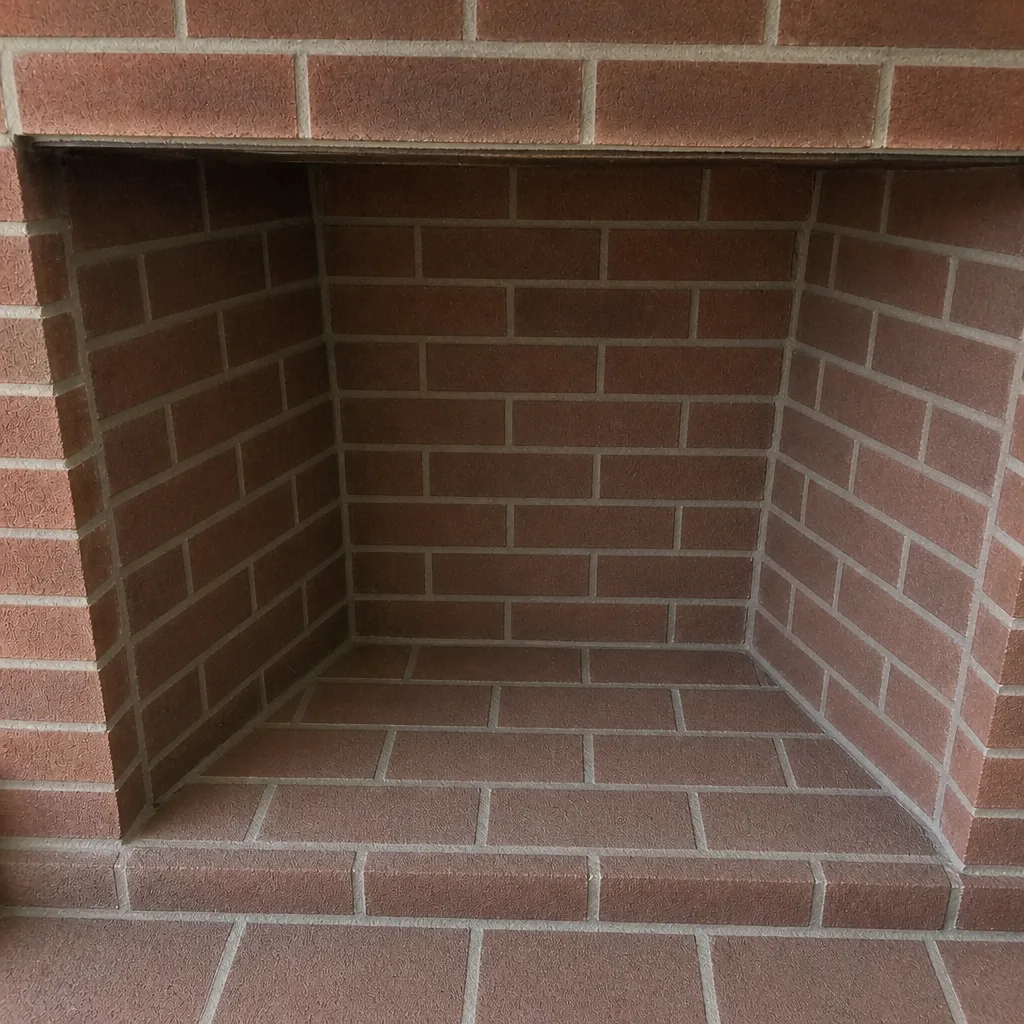
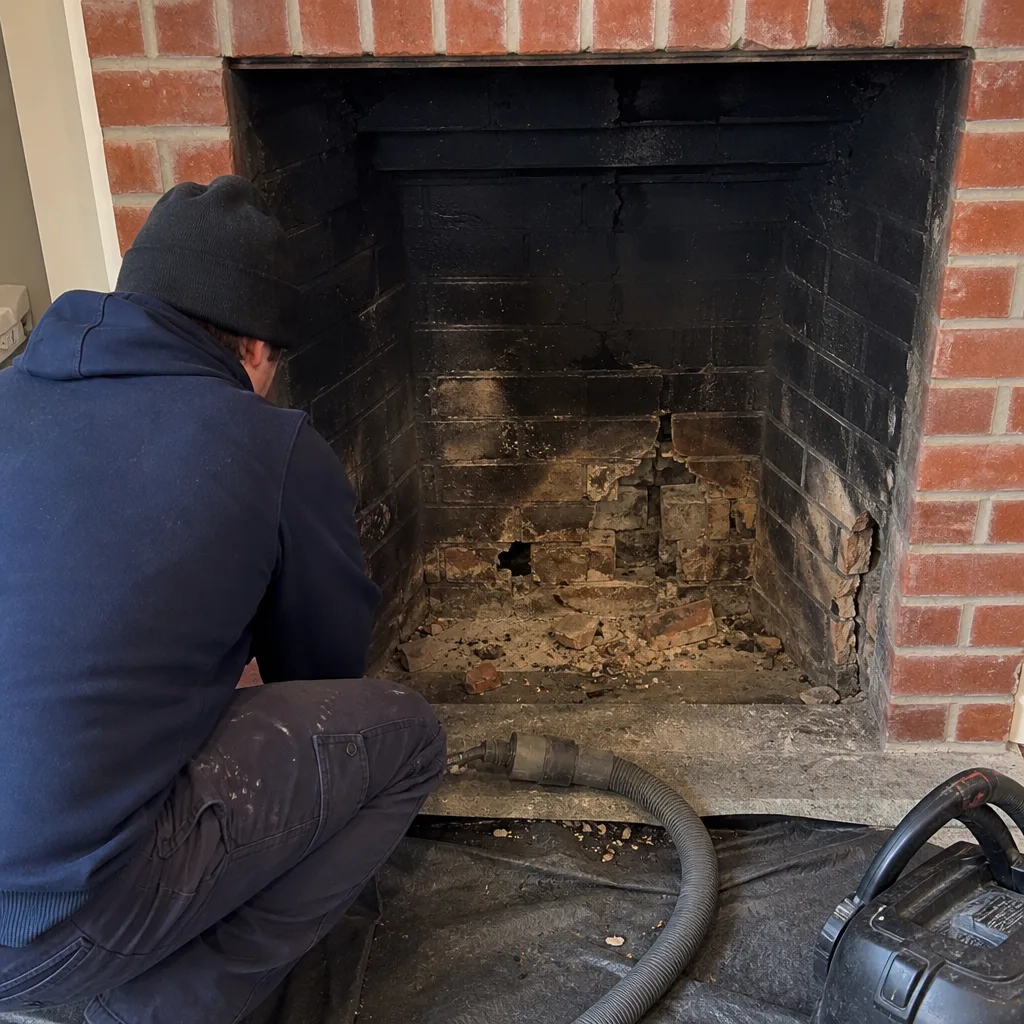
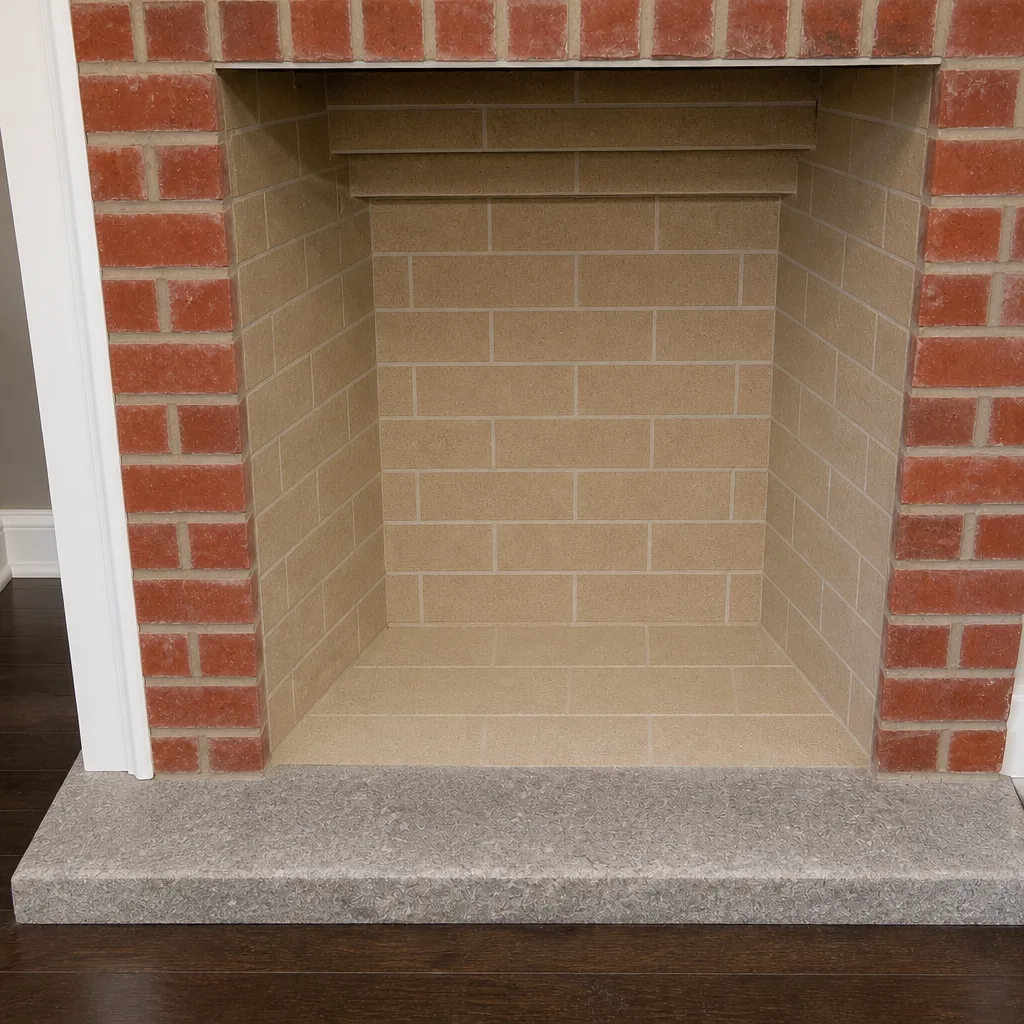
See the difference
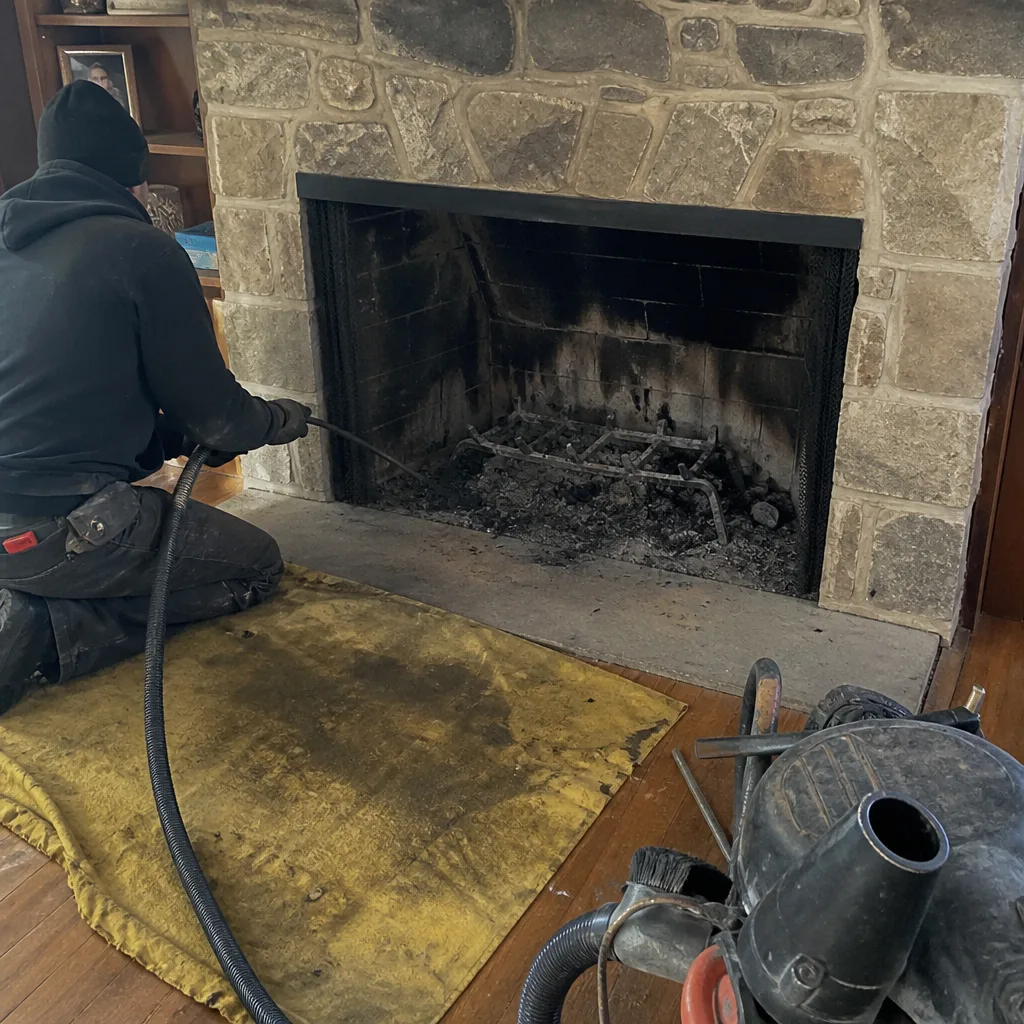 Before
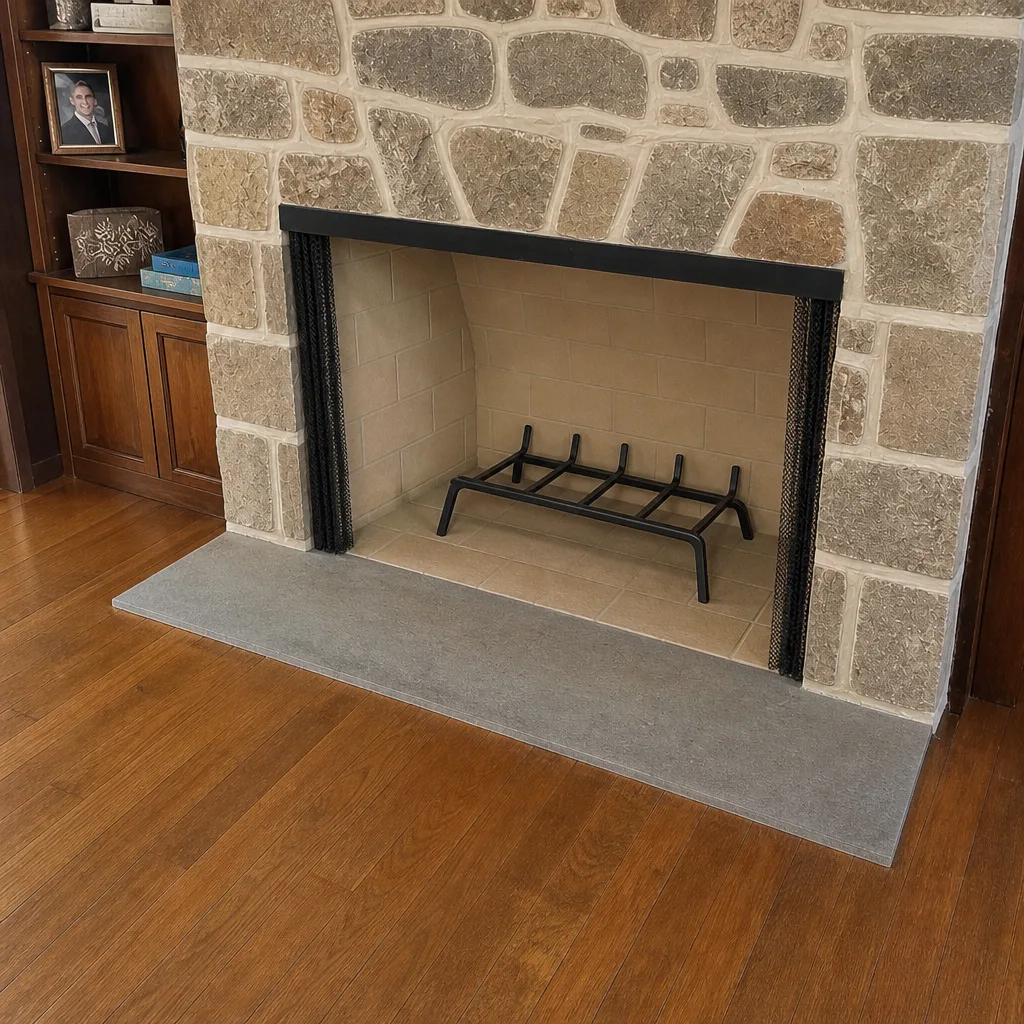 After
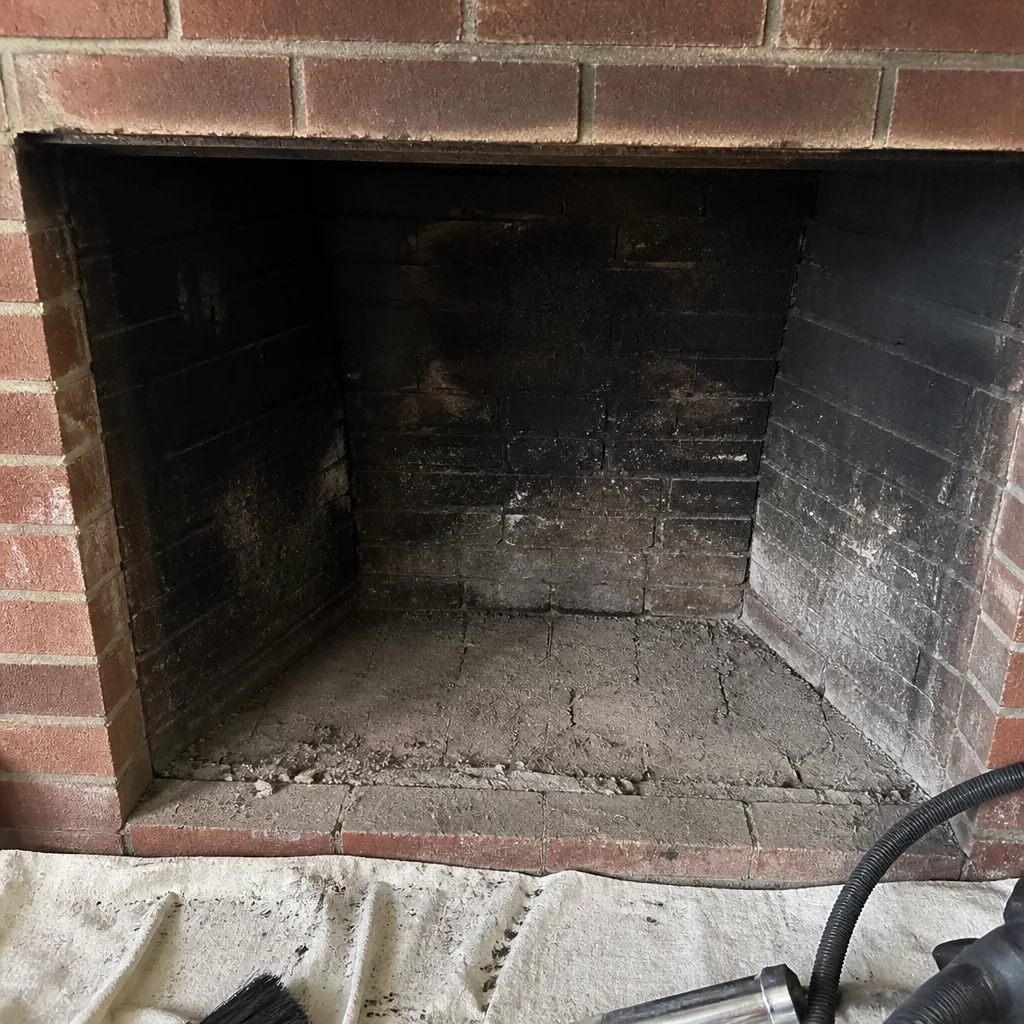 Before
 After
 Before
 After
Frequently Asked Questions
Industry guidelines call for an annual chimney inspection, and a sweep whenever the creosote load reaches a level that warrants it, which for a heavily used fireplace usually means at least once a year. In St. Albans, where winter burning is steady and the freeze-thaw cycle is hard on masonry, we recommend a late-summer sweep and a spring inspection as the baseline. Call (833) 468-5934 for an exact quote on your chimney.
Late August through September is the best window. The flue is dry, the creosote from last season can be removed, and any moisture damage from the humid summer is visible and fixable before the first freeze. Booking earlier in the season also means more room to schedule a repair if the inspection turns something up. Call (833) 468-5934 to get on the schedule.
Yes. The autumn sweep clears the flue and checks the pre-winter condition, but it can’t see what the freeze-thaw cycle does over January and February. A spring inspection catches mortar damage, crown cracks, and flue lining issues while they’re still small. If a spring inspection finds anything, it can usually be scheduled well before the next heating season. Call (833) 468-5934 for a free estimate.
A chimney is safe to use when the flue is clear, the lining is intact, the crown and cap are shedding water, and there’s no creosote buildup that could ignite. The only reliable way to confirm that is a professional inspection, ideally with a camera view of the flue you can look at yourself. We don’t recommend work without that evidence. Call (833) 468-5934 to book one.
It does. A shared stack needs both flues inspected separately, because the appliance flue runs year-round and deposits condensation even when the fireplace isn’t in use. The separation between the two flues also needs checking, since a compromise there can let exhaust migrate into the living space. A dual-use chimney should be inspected in spring and late summer rather than once a year. Call (833) 468-5934 with the setup and we’ll tell you what the inspection covers.
If the inspection shows a compromised flue lining or a failed crown, we explain the options in plain terms before any work starts. Relining work uses manufacturer-backed systems like HeatShield and DuraFlex, and cap and crown work uses products from brands like Famco and Copperfield. You get a written estimate before the job begins, and the price is set by that estimate. Call (833) 468-5934 for a free estimate.
The Bottom Line
Year-round chimney care in St. Albans isn’t about one big annual cleaning. It’s about four checkpoints, each catching a different kind of stress: late-summer humidity before the heating season, freeze-thaw damage through January and February, creosote load during peak use, and the spring inspection that catches what winter left behind. The cap and crown deserve a seasonal look because they’re the front line against moisture. And if your chimney serves both a fireplace and a furnace or water heater, the dual-use schedule is stricter, not looser. Start with a late-summer sweep, keep the spring inspection on the calendar, and treat anything structural as a spring job rather than an October emergency.
If you’d like your chimney checked before the heating season, or you’ve just moved into a home in St. Albans and don’t know its history, we’d be glad to take a look. Call (833) 468-5934 for a free estimate. We answer 24/7. Fast dispatch from 7am to 7pm, Sunday through Friday. Our chimney sweep service includes a camera inspection and a photo report, so you can see exactly what we see before deciding on any repair.
Written by the team at Chimney Sweep St. Albans.